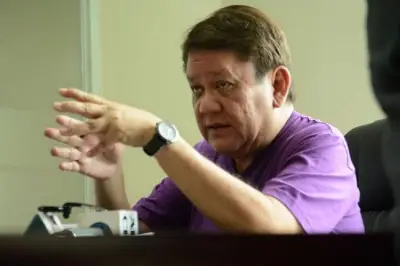


MANILA. Vice President Sara Duterte faces impeachment complaints centered on four major allegations: misuse of confidential funds, unexplained wealth, bribery or corruption, and controversial statements interpreted as threats against top officials. Under the 1987 Philippine Constitution, impeachable offenses include culpable violation of the Constitution, bribery, graft and corruption, other high crimes, and betrayal of public trust.
Confidential funds issue
A key issue involves the use of confidential and intelligence funds (CIFs) by the Office of the Vice President (OVP) and the Department of Education (DepEd) during Duterte's tenure as education secretary. Lawmakers questioned how some funds were spent and liquidated during congressional hearings, raising concerns over the use of acknowledgment receipts and sufficiency of supporting documents. Critics argue that public funds must meet stricter transparency and accountability standards. Duterte and her allies maintain that confidential funds are legal and necessary for security-related operations.
Allegations of unexplained wealth
Another allegation involves unexplained wealth, with critics questioning whether Duterte's assets and finances align with her declared income and disclosures. Public officials in the Philippines must submit Statements of Assets, Liabilities and Net Worth (SALNs). Discrepancies or undeclared assets could lead to accusations of betrayal of public trust or corruption. No court has ruled on these allegations, and they remain accusations unless proven in formal proceedings.

Bribery and corruption claims
The complaints also include bribery and corruption allegations, broadly referring to accusations that public office may have been improperly used or that irregularities involving government transactions occurred. In impeachment proceedings, complainants may argue that alleged acts fall under graft, corruption, or betrayal of public trust.
Controversial statements
Duterte's public remarks involving President Ferdinand Marcos Jr., First Lady Liza Araneta-Marcos, and House Speaker Martin Romualdez sparked controversy. Critics interpreted the statements as threats against top officials, while Duterte's camp said the remarks were taken out of context and not literal threats.
How the impeachment process works
An impeachment complaint may be filed by a House member or a private citizen endorsed by a lawmaker. The complaint goes to the House Committee on Justice, which determines sufficiency in form and substance and probable cause. If approved, it moves to the House plenary, where at least one-third of all members must vote in favor for Articles of Impeachment to pass. The case then goes to the Senate, which acts as an impeachment court. Senators serve as judges, and House prosecutors present the case. A two-thirds vote of all senators (at least 16 of 24) is required to convict and remove an official from office. Impeachment is a political and constitutional process separate from criminal prosecution. An acquittal does not prevent separate criminal or administrative cases, and impeachment itself does not automatically imply guilt. (SunStar Cebu)