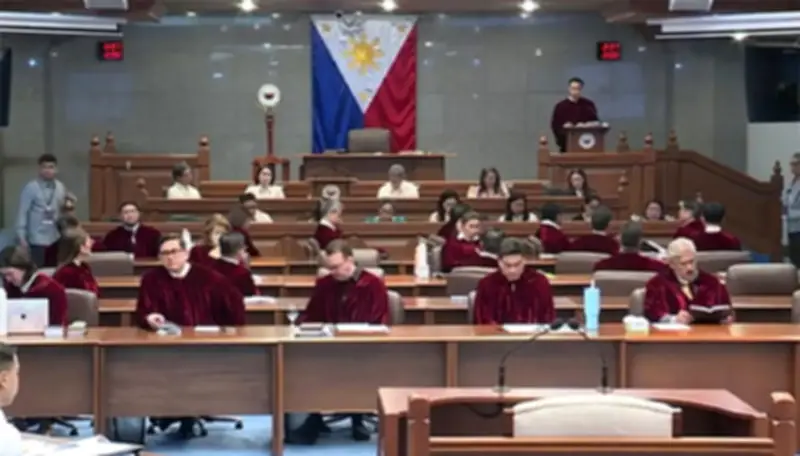
On Monday, July 6, 2026, the Philippine Senate officially opened the impeachment trial of Vice President Sara Duterte, marking a historic constitutional proceeding. The Vice President did not attend but was represented by her legal team.
Leadership Dispute Resolved
The trial began with debate over who should preside. Senator-judges voted 12–8 to elect Senator Francis “Chiz” Escudero as presiding officer. Escudero reminded the body that a conviction requires at least 16 votes.
The leadership dispute centered on Senate Resolution 48, which allows the Senate to elect an alternative presiding officer by simple majority. Senator Alan Peter Cayetano challenged the amendment, arguing it could violate the Constitution. Senate President Sherwin “Win” Gatchalian clarified that the court recognizes the June 3 changes, and formal challenges must be settled by the full Senate. Senator Francis “Kiko” Pangilinan defended the amendment, noting Congress has power to set its procedures and that the charter does not require the Senate president to lead when a Vice President is on trial. Senator Panfilo Lacson then moved to hold the vote that placed Escudero in charge.

Prosecution Demands Accountability
House prosecution panel leader Representative Gerville Luistro emphasized that the trial involves public money and trust. “When an employee misuses company money, they are made to explain. When a barangay treasurer cannot explain missing funds, they are investigated. When a principal embezzles public funds, even if it is just P5,000, they are punished,” she said in Tagalog. “It is only natural for the public to ask, if the ordinary Filipino is held accountable, why not the most powerful official of the government?”
Luistro also cited Duterte's past statements about alleged threats against President Ferdinand Marcos Jr. “In the history of our republic, there has never been a vice president with a hitman friend — only now. There has never been a vice president who assassinates the president — only now.” Representative Chel Diokno submitted the order for presenting charges: Article IV (grave threats), Article I (confidential funds), Article III (bribery), and Article II (unexplained wealth).
Duterte Absent, Defense Cites Strategy
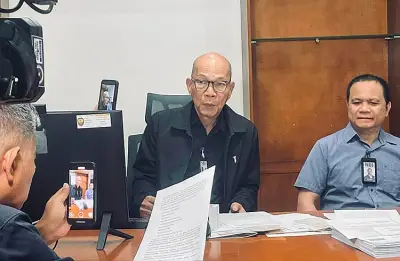
Despite a Senate order to appear, Duterte was absent. Her lead defense counsel Sheila Sison represented her. In a statement, Duterte said: “The opinion of a President in an impeachment proceeding is of no importance. Impeachment proceedings must be guided by the Constitution and due process. The respondent has the right to be represented by counsel, and the decision to personally testify is a matter of legal strategy and constitutional rights.” Sison urged senator-judges to protect fairness alongside accountability.
Court Orders Bank Records and Witness Lists
The court agreed that both sides must share witness lists at least five days before testimony. It ordered a sealed box containing income tax returns of Duterte and her husband, Manases Carpio, returned to the Bureau of Internal Revenue. The court issued subpoenas to at least nine banks for financial records of Duterte and Carpio from 2006 to 2025. Two National Bureau of Investigation agents were ordered to testify. A special page on the Senate website will publish approved motions and records. A proposal by Cayetano to allow detained Senators Jinggoy Estrada and Rodante Marcoleta to participate is pending action.
The trial follows the House of Representatives' May 11 vote to impeach Duterte over alleged misuse of public funds, unexplained wealth, bribery, and verbal threats against President Marcos, First Lady Liza Araneta Marcos, and former House speaker Martin Romualdez. As the trial proceeds, the nation watches how the Senate balances justice, fairness, and accountability.