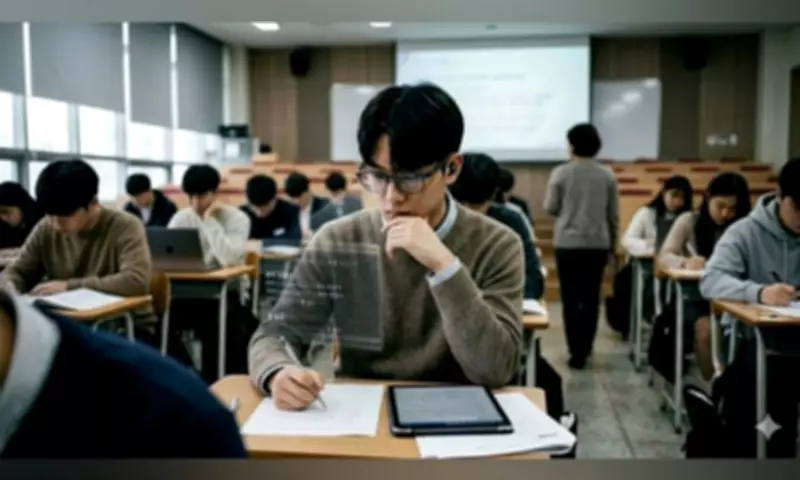
In a startling development reported by Chinese media, university students across China are increasingly turning to AI smart glasses, renting them for daily fees ranging from 40 to 60 yuan (approximately $6 to $9). This trend highlights a growing reliance on advanced technology to navigate challenging academic assessments, raising significant questions about fairness and ethics in education.
The Rise of AI-Powered Cheating Devices
While smart glasses have existed for years, their adoption has surged among young Chinese students seeking to ensure passing grades on exams. According to a report from Rest of the World, AI smart glasses equipped with large language models have become particularly popular. These devices feature built-in cameras and audio capabilities, allowing users to scan exam questions discreetly. Through artificial intelligence, the glasses provide real-time answers via augmented reality displays on the lenses, making the cheating process nearly undetectable to observers.
Evolution in Design and Accessibility
Earlier versions of smart glasses were often bulky and conspicuous, but modern iterations from companies like Xiaomi and Alibaba boast sleek designs that closely resemble ordinary eyeglasses. This aesthetic improvement has made them easier to use covertly in exam settings. Despite being prohibited in high-stakes national entrance exams and civil service tests, students continue to deploy these glasses in regular school examinations, often with remarkable results.

A compelling experiment conducted by researchers at the Hong Kong University of Science and Technology demonstrated the effectiveness of this technology. One student wearing AI smart glasses with a model similar to ChatGPT 5.2 ranked among the top five out of 100 participants, achieving an average score of 92.5, compared to the overall average of 72. This stark contrast underscores the potential academic advantage provided by such devices.
Economic Factors Driving Rental Markets
The high cost of AI smart glasses, which can range from $270 to over $1,000, makes purchasing them impractical for occasional exam use. However, the emergence of secondhand marketplaces like Xianyu has democratized access. These platforms offer a wide array of rental options, with daily rates as low as 40 to 80 yuan ($6 to $12), depending on the model. This affordability has fueled widespread adoption among budget-conscious students.
Personal Accounts and Operational Mechanics
Vivian, a student from Hebei Province, shared her experience with Rest of the World, admitting to using AI smart glasses for any subject she fears failing. She also rents out her device to peers, creating a small-scale sharing economy. The glasses operate through a subtle remote control, often shaped like a ring, which allows users to scan texts and questions. The AI then projects answers onto the lens via augmented reality, visible only to the wearer.
This innovative yet controversial practice reflects broader trends in technology integration and academic pressure. As AI continues to evolve, educators and policymakers face mounting challenges in upholding academic integrity while adapting to new technological realities.