Global Crackdown on Youth Social Media: Australia and Indonesia Lead with Bans
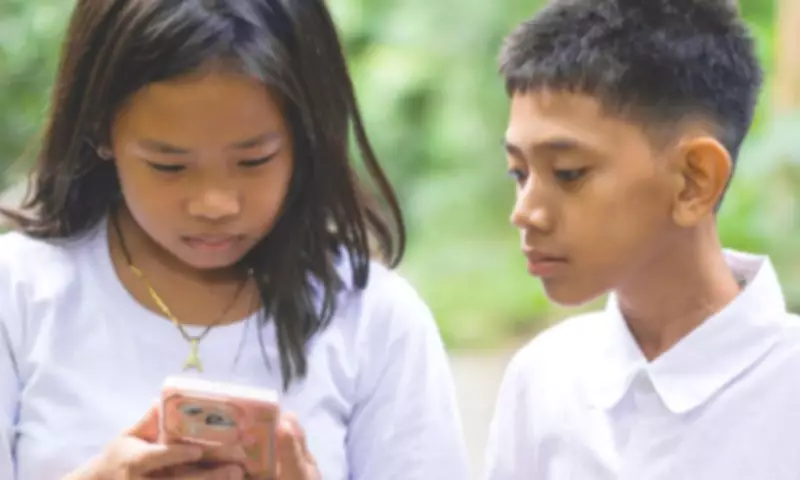
Social media has undeniably shrunk the world, enabling instant sharing of information and connections across borders with mere clicks. However, this digital revolution brings a flood of content that is challenging to filter, exposing young users to negative online material that can impact their health and well-being.
Regulatory Actions in Australia and Indonesia
Recently, social media access has garnered significant attention as several countries enforce stricter regulations, particularly targeting minors. In early 2026, the Australian government imposed a ban on social media use among minors, driven by concerns over excessive screen time and exposure to harmful content. Similarly, starting this month, Indonesia is gradually restricting users under 16 years old from accessing platforms like TikTok, YouTube, and Instagram. The country's communication minister highlighted "high risks," noting that children face "increasingly real threats" from pornography, cyberbullying, online fraud, and addiction.
Voices from Cebu: A Debate on Restrictions
In response to these measures, SunStar Cebu readers have shared diverse perspectives on whether such restrictions are necessary for young internet users.

Glen Damiel Jawod, 25, architect/exhibition design specialist: "It feels quite extreme in my view. Social media has already become deeply integrated into the daily lifestyle of Filipinos, serving as a tool for communication, learning, and community building. Rather than imposing a blanket ban, it would be more effective for parents to regulate and guide their children’s usage, ensuring safety and balance. With proper supervision, minors can benefit from social media without being exposed to its risks. Therefore, I believe it should not be banned but responsibly managed instead."
Mykaela Kyle Casino, 24, interior design student: "Personally, I don’t think there’s a need to ban minors from using it. In fact, when used responsibly, social media can offer young people valuable opportunities to express themselves, connect with others, access educational content, and develop digital literacy skills that are essential in the modern age. Instead of restricting access, we should focus on strengthening safety measures and providing proper guidance to ensure it remains a positive and empowering resource."
Miles Anthony Suson, landscape architecture student: "Social media has gradually become more addictive to minors, especially as online influencers and netizens shape behaviors that can negatively affect their cognitive development and overall well-being. This constant exposure has contributed to shorter attention spans and disruptions in their daily lives. When young people begin to lose focus and self-esteem at an early age, these patterns can follow them into adulthood and potentially impact future generations. For this reason, authorities made the right decision to implement social media restrictions for minors in order to help them regain focus, become more productive individuals, and preserve the well-being of the youth before it is too late."
Jolanel Alvarina, 24, student/barista: "I understand the concern, as social media can affect a young person’s well-being, expose them to false information, and even harmful or inappropriate content. However, completely restricting access may also limit opportunities for digital literacy, creativity, and social connection. Instead of an outright ban, stronger age-appropriate regulations, parental guidance, and digital education programs may be more balanced and sustainable approaches that support their growth and curiosity. In this way, they can learn to navigate social media safely and be better prepared for a digitally connected world rather than being completely shielded from it."
Jade Makawili, 26, musician/barber: "Personally, I think minors should not be on social media. Most social media platforms today are toxic and filled with inappropriate content, such as sexual materials and violence, that may be disturbing to young people, who usually explore the internet without guidance."

Balancing Risks and Opportunities
This debate underscores a critical global issue: how to protect minors from the dangers of social media while harnessing its benefits for education and connection. As countries like Australia and Indonesia take decisive action, the conversation continues on whether bans or guided supervision offer the best path forward for the digital generation.