
The Bangko Sentral ng Pilipinas (BSP) has issued a sobering assessment, indicating that the Philippines' external finances, specifically the balance of payments (BOP), are likely to face sustained pressure from 2026 to 2027. This outlook is driven by a combination of global uncertainties and escalating costs that threaten the nation's economic stability.
Understanding the Balance of Payments
The BOP serves as a comprehensive measure of all monetary transactions between the Philippines and the rest of the world. It tracks inflows from sources such as exports, remittances, and foreign investments, balanced against outflows for imports and travel expenditures. A deficit occurs when outflows surpass inflows, signaling potential strain on the country's financial reserves.
Global Headwinds Impacting the Outlook
In its recent analysis, the central bank highlighted that slower global economic growth and weakened international trade are key factors dampening the Philippines' prospects. Additionally, ongoing geopolitical tensions in the Middle East are contributing to higher oil prices, which in turn increase import costs and operational expenses for local businesses.

Export Growth Amid Challenges
Despite these adversities, the BSP projects that exports will continue to expand, albeit at a moderated pace. Following robust performance in 2025, export growth is anticipated to reach approximately three percent in 2026 and four percent in 2027. Electronics shipments are expected to remain resilient, fueled by demand for artificial intelligence-related products, electric vehicle components, and data center equipment. Agricultural exports, including coconut-based goods, are also poised to contribute to this growth.
However, the central bank cautioned that domestic issues such as elevated electricity costs, regulatory barriers, and inadequate logistics infrastructure continue to hinder the country's production capacity and export potential.
Rising Imports and Travel Spending
Conversely, imports are forecast to grow at a faster rate of five to six percent, primarily due to the surge in oil prices. Spending on foreign travel is also expected to rise, further exacerbating pressure on the Philippines' external accounts and widening the trade imbalance.
Non-Trade Income as a Counterbalance
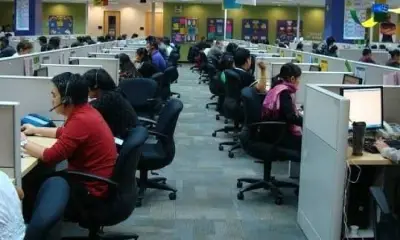
To mitigate these outflows, the Philippines will increasingly depend on non-trade income streams. The IT and business process management (IT-BPM) sector is projected to grow by about four percent, though talent shortages and adjustments to artificial intelligence integration may temper this expansion. Tourism earnings are anticipated to see modest increases, while remittances from overseas Filipinos are expected to rise by around three percent.
Despite these positive inflows, they may not fully offset the mounting costs. The BSP forecasts that the current account deficit will widen to approximately four percent of gross domestic product (GDP) during the 2026–2027 period. The overall BOP is also projected to remain in deficit, hovering at about 1.5 to 1.6 percent of GDP.
Manageable Risks and Future Adjustments
The central bank emphasized that the situation remains manageable, with foreign investments and robust dollar reserves providing a crucial buffer against external shocks. Adjustments to these economic pressures are likely to be gradual rather than abrupt, offering some stability in the near term.
However, the BSP issued a warning that this outlook could shift based on global developments, particularly if Middle East tensions escalate further. Continuous monitoring and adaptive strategies will be essential to navigate the evolving economic landscape.