
President Marcos Declares State of National Energy Emergency
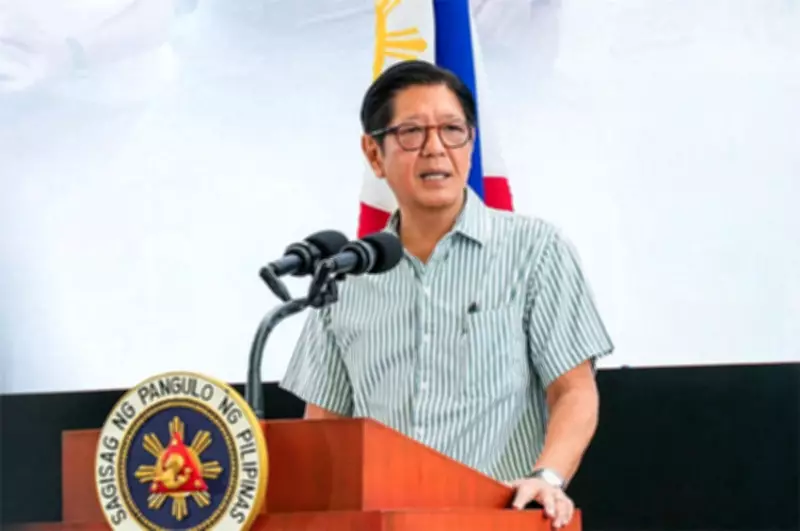
President Ferdinand Marcos Jr. has officially declared a State of National Energy Emergency in the Philippines, citing the ongoing conflict in the Middle East as a significant threat to the country's energy stability. This declaration was made on Tuesday, March 24, 2026, through the signing of Executive Order No. 110, which highlights the "imminent danger posed upon the availability and stability of the country's energy supply."
Executive Order Authorizes Uplift Committee
The newly signed Executive Order establishes the Unified Package for Livelihoods, Industry, Food and Transport (Uplift), a committee chaired by President Marcos himself. This body includes key government officials such as the executive secretary and secretaries from the Department of Energy, Department of Transportation, Department of Social Welfare and Development, Department of Agriculture, Department of Finance, Department of Economy, Planning and Development (Depdev), and Department of Budget and Management. Depdev, led by Secretary Arsenio Balisacan, will serve as the committee secretariat, providing essential technical and administrative support.
Immediate Threats and Global Impact
The EO specifically points to recent hostilities involving the United States, Iran, and Israel in the Middle East, which have disrupted global oil production and transportation. According to the order, the Secretary of Energy has determined that these circumstances create an imminent risk of critically low energy supplies, necessitating urgent government intervention to ensure adequacy and stability in the domestic energy market.

Key Responsibilities of the Uplift Committee
The Uplift committee is tasked with a comprehensive set of duties to mitigate the crisis:
- Monitor and ensure the orderly movement, supply, distribution, and availability of essential goods such as fuel, food, medicines, and agricultural products.
- Ensure the continuity of operations for public transportation, utilities, healthcare facilities, and other critical infrastructure.
- Safeguard economic stability while protecting vulnerable sectors from adverse impacts caused by the Middle East crisis.
- Accelerate and streamline processes for permits, licenses, and authorizations to ensure timely delivery of public services.
- Formulate long-term strategies to reduce petroleum consumption and accelerate the transition to renewable energy, including promoting electric vehicles, integrating renewables in agriculture and manufacturing, developing active transport infrastructure, and launching public awareness campaigns.
Government Measures and Local Support
Under the EO, the Department of Energy is directed to implement measures such as energy optimization plans, conservation efforts, and coordination with other agencies to combat rising fuel costs and prevent hoarding or profiteering. Additionally, the DOE, Philippine National Oil Company, and PNOC-Exploration Corporation are authorized to procure fuel and petroleum products, with provisions for advance payments exceeding 15% of contract amounts when necessary.
All government agencies are instructed to enact response measures aligned with their mandates to mitigate the crisis's impact. Local Government Units are also directed to support national efforts by allocating resources, realigning funds, and implementing complementary policies within their jurisdictions to address disruptions in global fuel supply.
This declaration aims to safeguard national interests by ensuring energy stability, uninterrupted essential services, economic continuity, and the welfare of all citizens, particularly those in vulnerable sectors, amid the ongoing Middle East conflict.