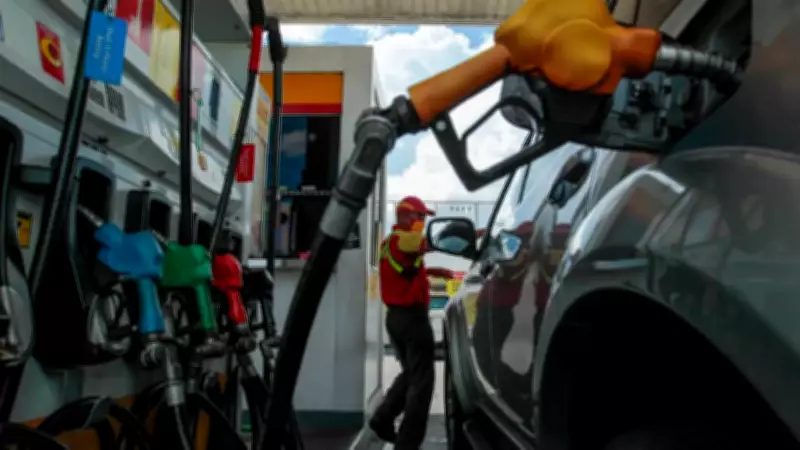
The Department of Energy (DOE) has confirmed that the Philippines maintains a sufficient oil supply buffer, estimated to last approximately 45 days, as the government intensifies efforts to increase reserve stocks and prevent potential shortages. This announcement comes amid ongoing global energy concerns, with the DOE emphasizing proactive measures to ensure national energy security.
Current Fuel Inventory Levels Detailed
Based on data from the Oil Industry Management Bureau (OIMB), the current petroleum product inventories in the country are as follows:
- Gasoline: 53.14 days
- Diesel: 45.82 days
- Kerosene: 97.93 days
- Jet fuel: 38.62 days
- Fuel oil: 61.49 days
- Liquefied petroleum gas (LPG): 23.51 days
Energy Undersecretary Alessandro Sales highlighted that the agency is closely monitoring the LPG supply to ensure it does not fall short, addressing specific concerns in this sector.

Government Initiatives to Boost Reserves
To further strengthen oil reserves, Energy Secretary Sharon Garin announced that the government, through the Philippine National Oil Company (PNOC), plans to purchase one million barrels of diesel valued at P10 billion. However, Garin acknowledged that this quantity equates to only about one week of the country's consumption, underscoring the scale of national demand.
Currently, PNOC has secured 400,000 barrels, with an additional 140,000 barrels expected by the end of March. Garin explained that supplies will be sourced from various countries, including those in Southeast Asia, to avoid reliance on a single origin and ensure a continuous supply chain.
Importance of Buffer Stocks in Global Context
The DOE emphasized the critical role of building buffer stocks, even with limited capacity, as a strategic measure to safeguard against oil shortages during international crises. This approach aims to mitigate risks associated with global market fluctuations and geopolitical tensions, providing a safety net for the Philippine economy.
As the nation navigates these challenges, the DOE's ongoing assessments and procurement strategies reflect a commitment to maintaining energy stability and preparedness in an uncertain global landscape.