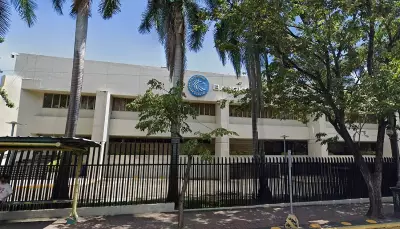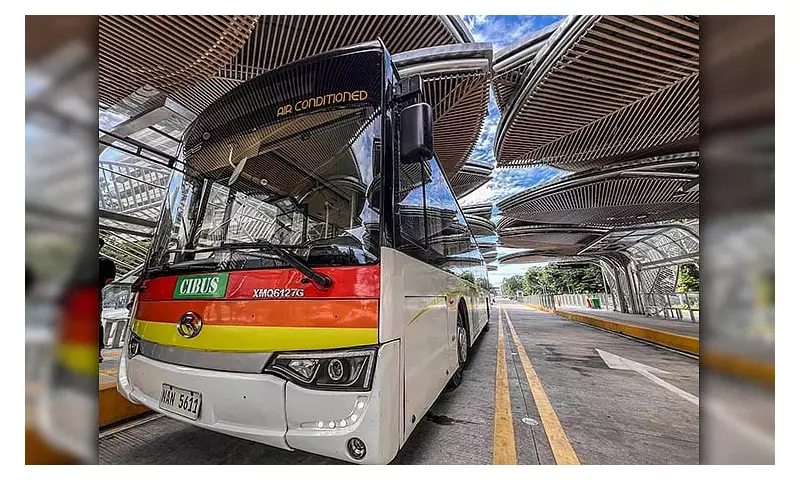
Cebu City is facing a critical test of its resolve to modernize public transport after its primary international backer withdrew support. The World Bank has pulled its remaining funding and rated the implementation of the Cebu Bus Rapid Transit (CBRT) project as "unsatisfactory" due to prolonged delays and missed targets.
Mayor's Pledge to Finish the Job
Mayor Nestor Archival is determined to see the project through despite the setback. He announced that the Cebu City Government will coordinate with the Department of Transportation to push forward with Package 1 of the CBRT, aiming to have buses operational by 2026. The big question now is whether the city can deliver without the World Bank's financial backing.
"This is something that is truly concerning, since the funds were taken back by the World Bank," Archival acknowledged. His immediate strategy is to prove the system's viability by expanding the initial operational route.

Operational Strategy to Boost Ridership
The currently completed 2.38-kilometer stretch from the Cebu South Bus Terminal (CSBT) to the Provincial Capitol is deemed too short to attract passengers. To solve this, Archival plans to request authority to run buses along a longer, more practical route.
The proposed expanded route would cover the South Road Properties and Il Corso area, move along N. Bacalso Ave., pass through the Fuente Osmeña Circle and Escario St., and terminate at Ayala Center Cebu. "That's the best possible way to ensure ridership is no longer zero," the Mayor stated.
Untapped Funds and a Search for New Partners
The financial hole left by the World Bank is significant. As of December 2025, only $40.62 million (about 35%) of the $116-million loan had been disbursed. A separate $25-million trust fund also remains unused, leaving nearly $100 million in undisbursed financing.
With the World Bank exiting, the city is actively seeking new investors through a public-private partnership (PPP) model to ensure the project's long-term operation and sustainability. Archival confirmed that several institutions have expressed interest, though he did not name them.
Addressing the Core Delay: Right-of-Way
Mayor Archival identified right-of-way acquisition as the primary bottleneck for Package 1. For years, negotiations with property owners for land needed for dedicated bus lanes have stalled. To break the impasse, Archival has instructed relevant agencies to pursue expropriation proceedings where amicable settlements fail, a move intended to finally clear the path for construction.
The Road Ahead for Cebu's Transit Dream
The city's next step involves working with the transportation department to conduct rigorous testing on the completed infrastructure. This phase is crucial for identifying deficiencies and gauging actual commuter demand.
If Cebu City can secure the necessary operational approvals and alternative funding, residents might finally see the first CBRT buses running within the next year, marking a hard-won milestone for the long-delayed project.