
The Department of Transportation (DOTr) has allocated P426 million in 2026 to fund a feasibility study for Metro Cebu’s proposed underground Mass Rapid Transit (MRT) system, following approval from the Regional Development Council (RDC) 7. This major step brings the dream of an underground railway closer to reality, as announced during a regional meeting on June 24, 2026.
Big Projects Moving into the Study Phase
The RDC 7 gave the green light to start the study, alongside approving a new transport master plan for Bohol. Cebu Governor Pamela Baricuatro confirmed that several large traffic-busting projects are now being analyzed for feasibility. “Yes, we have a lot, we have the fourth bridge, the underground MRT, our dams na feasibility study na, the coastal highway is already in our study for feasibility study,” she said.
Connecting Buses, Trains, and Bikes
The underground MRT is envisioned as the heart of a multi-modal network integrating walking paths, bicycle lanes, jeepneys, the Cebu Bus Rapid Transit (BRT), and the new rail line. Jennifer Bretaña, Regional Director of the Department of Economy, Planning, and Development (DepDev) 7, explained: “It is actually part of the Metro Cebu Urban Mass Rapid Transit (UMRT), that’s what is good about Metro Cebu, may plano, supposed to be, the BRT sasaluin nang MRT. So, it’s really multi-modal talaga siya pag-natapos.”

Originally, the government planned to wait until the BRT was finished before starting the MRT due to high costs, but the DOTr changed strategy to fast-track funding for the train study because of urgent traffic needs. “Supposed to be in the plan pag-natapos yung BRT, mag start yung MRT, but despite that the DOTr decided na they will fund already for the feasibility study of the underground MRT,” Bretaña added.
Mapping Out a 67-Kilometer Route
Bretaña stressed that a lone bus or train system cannot solve Cebu’s traffic problem; they must work together. While building the railway will be expensive, funding the study is a huge first step. The planned network includes:
- Central Line: Running through the metro area as the anchor.
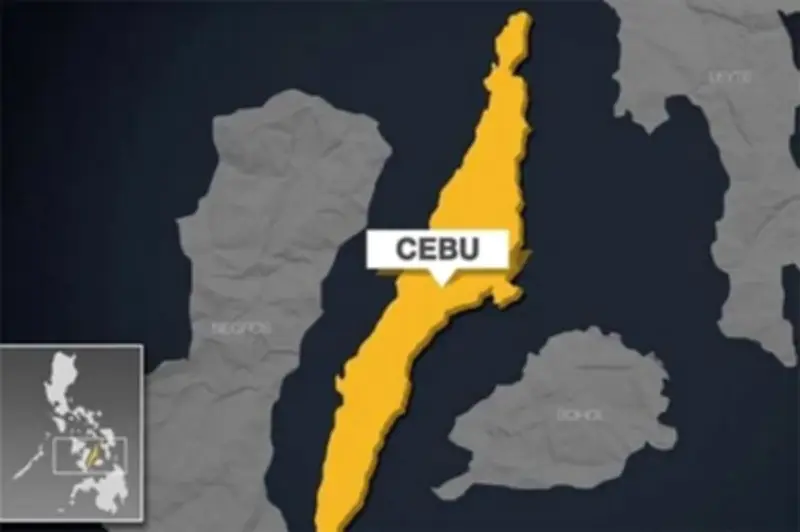
- North and South Extensions: Connecting Danao City to Carcar City, covering 67.5 kilometers.
- Coastal Line: A 25-kilometer line to Lapu-Lapu City.
The newly funded study will focus on the crucial Central Line.
The Timeline: What Happens Next?
The P426 million study is funded through an Asian Development Bank Official Development Assistance (ADB-ODA) loan. The DOTr is currently preparing paperwork to hire experts. Officials aim to start contractor bidding by the third quarter of 2026 and award the contract by year-end. The study will take 34 months to complete, followed by a six-month review by the National Economic and Development Authority Investment Coordination Committee (Neda-ICC). While construction is still years away, this funding marks a definitive turning point for commuting in Metro Cebu.