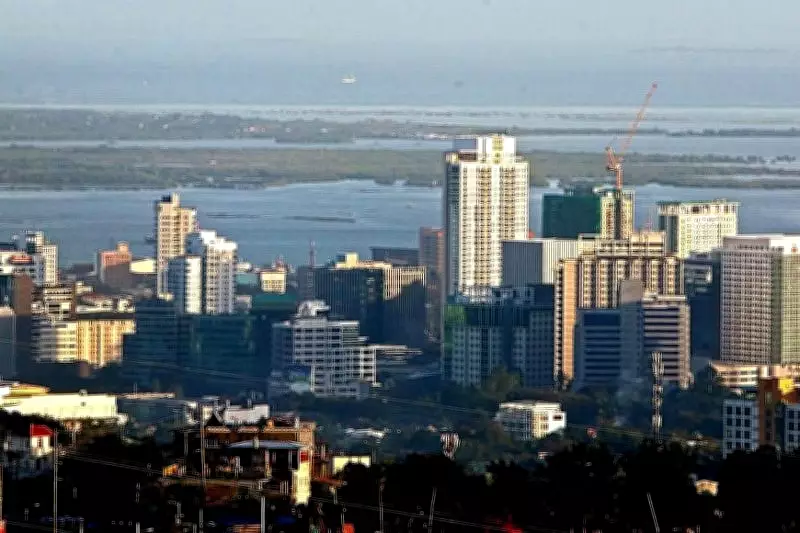
In a standout performance amid a cooling national housing market, Metro Cebu emerged as the leader in residential property price growth outside Metro Manila during the fourth quarter of 2025, according to the latest data from the Bangko Sentral ng Pilipinas (BSP). The region's robust gains provided a bright spot in an otherwise mixed landscape, highlighting significant regional disparities in the Philippine real estate sector.
Metro Cebu Outpaces Other Regions
Data from the BSP revealed that residential property prices in Metro Cebu increased by an impressive seven percent year-on-year in Q4 2025. This growth rate not only outpaced other areas outside the National Capital Region (NCR) but also contrasted sharply with weaker performances elsewhere. The Greater Manila Area (GMA), encompassing growth corridors like Cavite and Laguna, followed with a more modest 3.5-percent increase.
In stark contrast, other provincial markets experienced notable declines. Metro Mindanao posted a 1.4 percent drop in property prices, while other areas across the Philippines recorded a steep seven percent contraction—the most significant decline since 2019. Overall, residential property prices outside NCR grew by just one percent year-on-year, marking the slowest growth on record and reflecting broader economic challenges.

Nationwide Market Softness and Demand Indicators
On a national scale, property price growth also showed signs of easing. Prices rose by 1.6 percent year-on-year in the fourth quarter, down from 1.9 percent in the previous quarter. Moreover, on a quarter-on-quarter basis, prices declined by 1.3 percent, indicating ongoing market softness and a cautious sentiment among buyers and investors.
Demand indicators further underscored this slowdown. Residential real estate loan growth decelerated sharply to 4.1 percent year-on-year from 24.6 percent previously, as both consumers and lenders adopted a more cautious approach. Outside NCR, loan activity remained relatively resilient, expanding by 13.7 percent and helping to offset a contraction in the capital region. However, within key markets like Metro Cebu and Metro Mindanao, loan availments declined, highlighting uneven demand conditions despite price gains in some areas.
Property Type Variations and Market Outlook
Breaking down the data by property type, condominium units continued to drive price increases nationwide, rising by 3.5 percent year-on-year. In contrast, house prices barely grew, increasing by just 0.1 percent—the weakest rise on record. This divergence points to shifting consumer preferences and market dynamics within the housing sector.
The BSP attributed the overall moderation in property prices to weakening buyer sentiment and tighter credit standards. These factors signal a more cautious outlook for the Philippine housing market, even as pockets of strength, such as Metro Cebu, demonstrate resilience. The central bank's analysis suggests that while regional disparities persist, the broader trend indicates a cooling market that may require careful monitoring in the coming quarters.