The Community Environment and Natural Resources Office (Cenro)-Panabo City recently carried out a rapid assessment of Balite Cave in Barangay Aundanao, Island Garden City of Samal, as part of ongoing efforts to preserve and manage the ecotourism site effectively.
Assessment Details
According to a Facebook post by the Department of Environment and Natural Resources-Davao Region on May 15, stakeholders evaluated the cave's physical attributes, biodiversity, environmental conditions, and potential threats during the assessment. Participants included representatives from the Provincial Environment and Natural Resources Office (Penro)-Davao del Norte, Cenro-Panabo, Penro-Samal, the Barangay Local Government Unit of Aundanao, indigenous peoples' leaders, academicians, and the property owner.
Ecological Significance
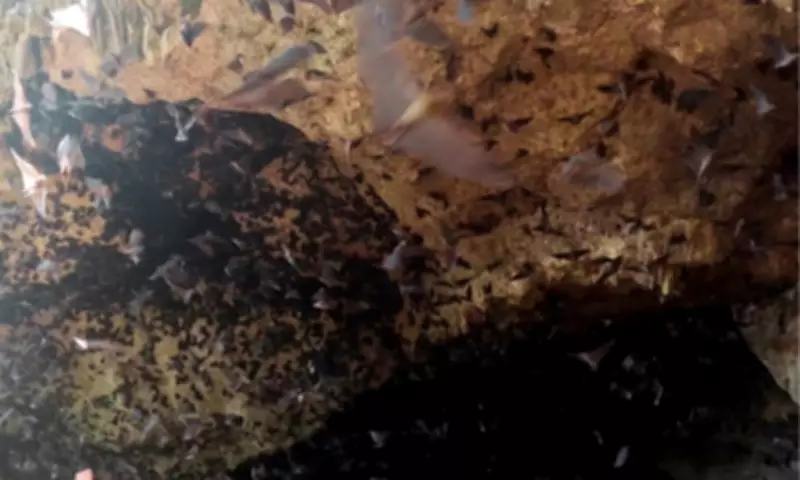
The DENR emphasized that the activity highlighted the ecological importance of Balite Cave, particularly as a habitat for wildlife such as bats. The cave serves as a critical refuge for various species, underscoring the need for its protection.

Management Plan Workshop
A planning workshop was held from April 29 to 30 to develop the 2027-2033 Balite Cave Management Plan. The plan aims to establish strategies for long-term conservation and sustainable use of the cave. Discussions focused on biodiversity conservation, resource protection, environmental awareness, community participation, visitor management, and sustainable resource utilization.
Classification and Regulations
Balite Cave is classified as a Class III cave under DENR Administrative Order No. 2024-08, which lists classified caves for calendar years 2012 to 2023. Class III caves may be opened for controlled tourism and sustainable economic activities, provided environmental safeguards, proper management practices, and accredited cave guides are in place.
Local Context
Barangay Aundanao is known for its limestone coastal formations, marine sanctuaries, and adventure tourism, forming part of the geological landscape where caves like Balite Cave naturally occur. The Island Garden City of Samal is recognized for its ecotourism attractions, cave systems, diving sites, and protected marine environment.