Cebu City Transport Strike Disrupts Jeepney Operations Amid Fuel Price Crisis
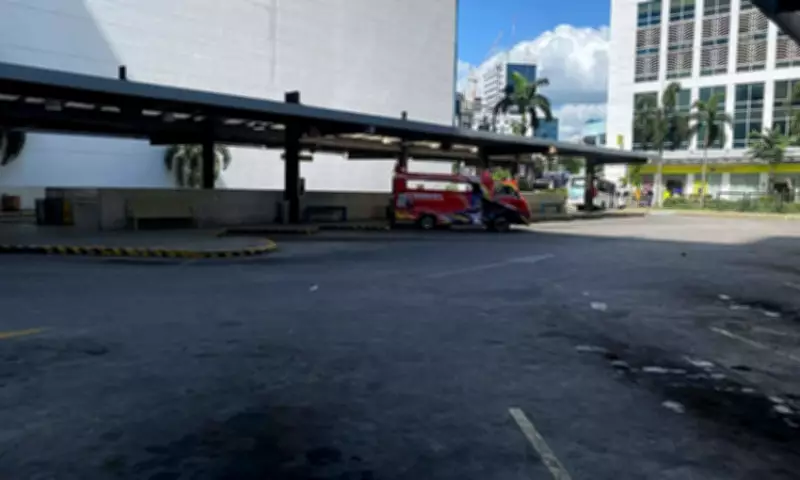
A nationwide transport strike organized by the Pinagkaisang Samahan ng mga Tsuper at Operator Nationwide (Piston) in Cebu City on Thursday, March 19, 2026, significantly disrupted public utility jeepney (PUJ) services across multiple routes. The protest, which impacted key areas like the Ayala Cebu Business Park terminal, reportedly reached up to 90% participation by 11 a.m., leaving many commuters stranded and highlighting growing tensions over economic hardships faced by drivers.
Affected Routes and Disruption Levels
According to data released by Piston Cebu, the strike severely affected several major jeepney routes, with disruption rates varying by location. Key impacted routes included:
- Talamban–Carbon: 75% disruption
- Pit-os–Colon: 75% disruption
- Apas–Carbon Market (traditional routes): 85% disruption
- Mabolo–Ayala: 85% disruption
- Lahug–Ayala: 85% disruption
- Manalili–Cathedral: 85% disruption
- Ayala–Mandaue: 85% disruption
- Ayala–Consolacion: 85% disruption
- Tamiya–MEPZ 1: 90% disruption
- Marigondon–Cordova: 60% disruption
These figures underscore the widespread nature of the protest, which echoed similar actions across the Philippines as part of a coordinated nationwide effort.

Drivers' Grievances and Economic Struggles
Drivers participating in the strike cited severe financial strain due to skyrocketing fuel prices as their primary motivation. With diesel prices soaring to P120 per liter, operational costs have become unsustainable, leaving little to no profit for many. One driver expressed the dire situation, stating, "Why must we strike? There is nothing left for drivers to earn." This sentiment reflects a broader crisis in the public transport sector, where rising expenses outpace income, forcing drivers to take drastic action.
Piston Cebu highlighted that daily fuel expenses can reach up to P3,600 per vehicle, eroding earnings and threatening livelihoods. The group emphasized that without intervention, the viability of jeepney operations is at risk, potentially leading to further service reductions and economic hardship for both drivers and commuters.
Key Demands and Proposed Solutions
In response to the fuel price crisis, Piston Cebu has put forward a series of demands aimed at alleviating financial burdens on drivers and stabilizing the transport industry. Their proposals include:
- Tax Reforms: Removal of value-added tax and excise tax on fuel to reduce prices by up to P20 per liter.
- Price Rollback: A reduction in fuel prices to P55 per liter to make operations more affordable.
- Fare Increases: Implementation of a fare hike to P5 to help offset rising costs.
- Wage Adjustments: Establishment of a national minimum wage of P1,200 to improve driver incomes.
- Policy Changes: Cancellation of the Oil Deregulation Law and introduction of price controls, including nationalization of the oil industry to ensure stability and affordability.
These demands are part of a broader call for government action to address the root causes of the economic challenges facing public transport workers. Piston argues that without such measures, the sector will continue to struggle, impacting mobility and the economy in Cebu City and beyond.
The transport strike in Cebu City serves as a stark reminder of the interconnectedness of fuel prices, public transport, and economic stability. As drivers and operators rally for change, the outcome of their protests could shape future policies and the daily lives of millions of commuters across the Philippines.