
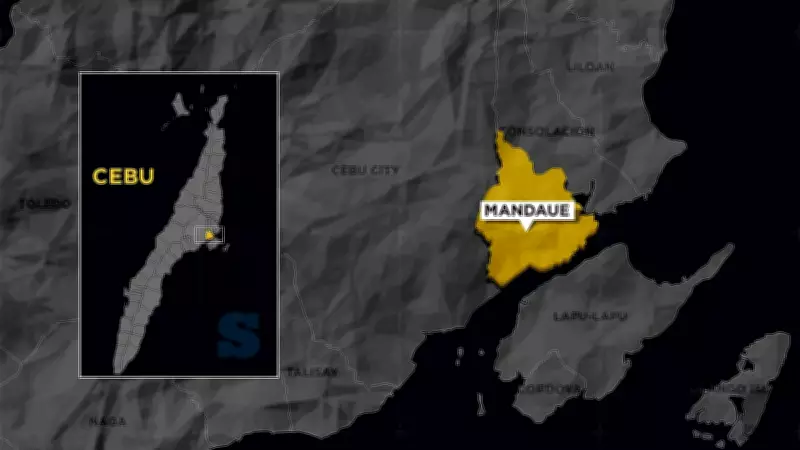
The Mandaue City Disaster Risk Reduction and Management Office (MCDRRMO) has mandated all city departments to submit water conservation and contingency plans to address potential shortages caused by El Niño. Residents report daily supply challenges and increased expenses as the city coordinates with the Metropolitan Cebu Water District (MCWD), officials said.
Preparedness Measures
Mandaue City is tightening preparedness as concerns over El Niño and recurring water interruptions affect households, according to the local disaster risk office. Buddy Alain Ybañez, head of the MCDRRMO, stated that the Cebu City Government instructed all offices to submit preparedness actions, particularly on water conservation and response measures for the dry season.
Conservation Efforts
“Right now, aside from enforcement, we are focusing on conserving water. We have required each office to submit their preparedness actions for El Niño. They may have already implemented their plans, but we are still waiting for their reports within the week,” Ybañez said. He added that the city’s water situation remains dependent on the MCWD, while some barangays operate independent systems, including areas like Tabok. While the local government strengthens its response, many residents face the daily reality of water scarcity.

Resident Experiences
In Barangay Cabancalan, resident Ruel Quiza described how water interruptions disrupt household routines, often lasting several hours a day. “Water often runs out in our home, especially when supply is rationed in our area. When this happens, we store water whenever it is available, reuse it for cleaning and limit it only to essential needs,” Quiza said. He added that the inconsistent supply forces households to rely on water deliveries or refill stations, costing them around P300 to P500 a month depending on the frequency of shortages. Quiza noted that the irregular supply makes it difficult to maintain sanitation. Bathing is shortened, laundry is delayed and cleaning the house requires extra effort.
Another resident from Mandaue City, who requested anonymity, described how families prepare when water interruptions are announced. Households typically store water in buckets, drums and containers before scheduled interruptions to ensure supply for cooking, cleaning and hygiene. When outages are unexpected, families ration whatever is available. “When there is an advisory, we prepare the night before by storing as much water as possible. But when interruptions are sudden, we have no choice but to conserve strictly and stop non-essential activities like laundry or cleaning,” the resident said. The resident added that prolonged interruptions sometimes force families to buy purified water or ask neighbors for assistance. Monthly water expenses average around P400 but can increase during frequent shortages, placing pressure on low-income households.
Health and Hygiene Risks
Beyond inconvenience, residents raised concerns about hygiene and health risks. Limited water supply leads to reduced bathing, delayed laundry and difficulty maintaining cleanliness. In longer interruptions, these conditions can increase the risk of illness, especially among children and elderly family members. Residents said access to reliable water remains essential for health, sanitation and survival. This highlights the growing pressure on households and local authorities as dry conditions persist.