Four Greenpeace activists arrested during a peaceful protest outside the venue of the 48th Association of Southeast Asian Nations (Asean) Summit in Lapu-Lapu City were released on bail, as environmental groups renewed calls for regional leaders to address the causes of the climate and plastic crises.
Arrest and Detention
SunStar Cebu previously reported on the detention of the activists at the Lapu-Lapu City Police Station 2 in Barangay Mactan. They were taken into custody while staging a non-violent protest during the opening of the 48th Asean Summit in Cebu, calling for stronger action on fossil fuels and plastic pollution during the regional summit.
In a statement on Saturday, May 9, 2026, Greenpeace Philippines said the activists were notified that charges would still be filed against them for alleged violation of Batas Pambansa 880, or the Public Assembly Act, despite the peaceful conduct of the protest.

The Lapu-Lapu City Police Office (LCPO) earlier issued a public advisory warning that unauthorized rallies, picketing, road blockages, and other activities that could disrupt operations within designated security and restricted areas during the international event are strictly prohibited. The activists requested that no information regarding their identities be disclosed.
The ‘Real Threat’
Greenpeace campaigner Marian Ledesma criticized what she described as a “contradiction” between Asean leaders’ sustainability rhetoric and the treatment of environmental defenders. Ledesma said the group was calling for the immediate dismissal of charges against the activists and urging authorities to uphold the rights to free expression and peaceful protest.
“The real threat to Southeast Asia is not activism, but the continued failure of leaders to confront the corporations, systems, and injustices driving climate destruction, plastic pollution, and deepening social inequality across the region,” Ledesma added. He said the arrests reflect a growing gap between regional leaders’ climate commitments and the realities faced by communities affected by climate disasters, pollution, and dependence on fossil fuels.
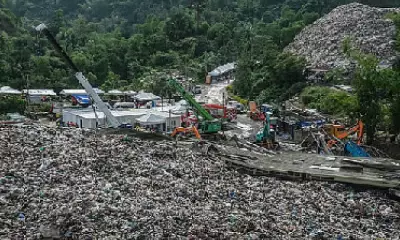
Greenpeace also cited the Binaliw landfill collapse in January, saying the incident shows the worsening impact of waste and plastic pollution in the region. The group urged Asean governments to reduce reliance on fossil fuels, curb plastic production, hold corporate polluters accountable, and expedite the shift toward renewable energy and reuse-based systems.