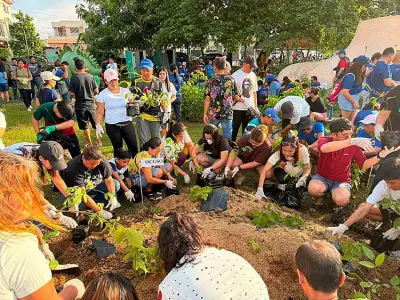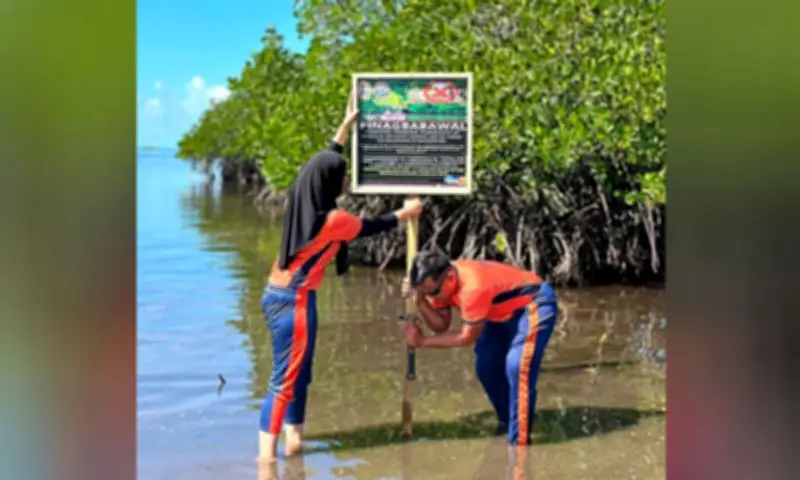
The Coast Guard Sub-Station (CGSS)-Panglima Sugala and the Marine Environmental Protection Team (MEPT)-Panglima Sugala are ramping up their campaign against the illegal cutting of mangroves within their jurisdiction to safeguard the environment and marine resources.
Mangroves' Role in the Ecosystem
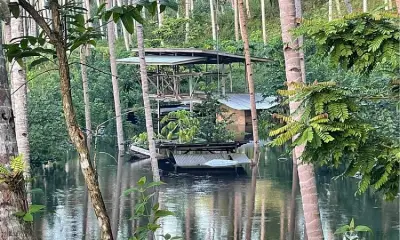
In a statement released on Sunday, June 28, 2026, the CGSS-Panglima Sugala emphasized that mangroves are a vital component of the ecosystem. They provide protection against strong waves and storm surges, help prevent coastal erosion, and serve as habitats and spawning grounds for various fish and other marine life.
Despite their ecological importance, mangroves continue to face threats from illegal logging activities, the Coast Guard noted.

Legal Consequences and Public Reminder
The CGSS-Panglima Sugala reminded the public that unauthorized cutting, destruction, or alteration of mangroves is prohibited by law and may result in appropriate penalties and liability. The personnel reaffirmed their dedication to protecting the mangroves and marine resources of the municipality through regular coastal patrols, information campaigns, and coordination with local governments and environmental agencies.
The station also urged all citizens to immediately report any incidents of illegal mangrove cutting to the nearest Philippine Coast Guard office or relevant authorities.
Call for Collective Action
"Let's work together to protect our mangroves to protect nature and ensure a safe and prosperous future for the next generation," the CGSS-Panglima Sugala said in its statement.
The municipality of Panglima Sugala, composed of seven villages, is a third-class town in the province of Tawi-Tawi with a population of 52,657 as of the 2024 census. Known as the "food basket" of Tawi-Tawi, its economy relies heavily on agriculture and marine resources.