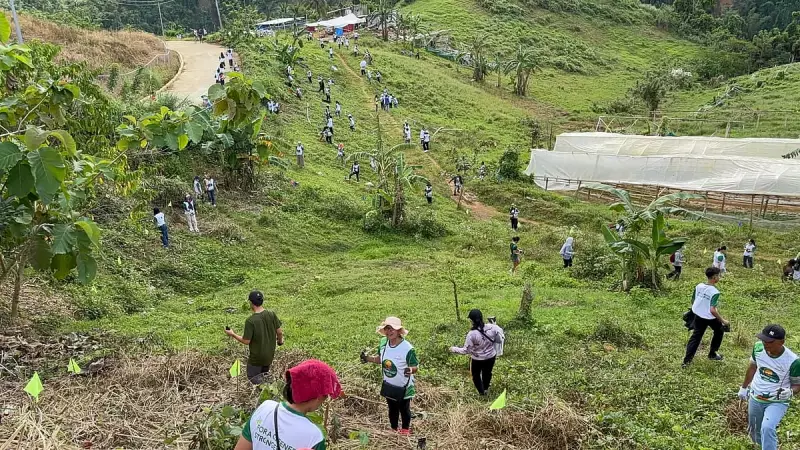
In a significant push to heal Cebu's denuded mountains, more than 1,500 tree seedlings found a new home in Barangay Lusaran. This massive planting activity forms a crucial part of the second major event under the year-long Reforest Cebu 2026 program, aimed squarely at restoring the city's vital upland and watershed areas.
A Direct Response to Devastating Floods
The initiative gains urgent context from the terrifying floods that ravaged Cebu just last month. These disasters caused extensive property damage and tragic loss of life. Experts have long warned that deforestation and land conversion worsen the impact of severe weather events. The recent calamity has made immediate reforestation a non-negotiable priority for vulnerable communities.
The Lusaran planting follows the program's successful premiere earlier this month in Barangay Tabunan. For this phase, organizers carefully selected local and indigenous tree species like Narra, Tugas (Philippine Oak), and Guyabano (Soursop). These species were chosen for their resilience to the local soil and climate, as well as their long-term ecological benefits.

More Than Just Planting: A Commitment to Aftercare
John Jeffrey Dabalos, Vice Chairman of the 256K Tree Planting Initiative under Cebu City Mayor Nestor Archival, emphasized that the work does not end with putting seedlings in the ground. He stressed the critical importance of nurturing the young trees.
"A plant is like a child—it needs proper care to grow and survive. Aftercare is very important to ensure that what we planted will grow and become a shield for the environment," Dabalos explained.
This philosophy is baked into the design of Reforest Cebu 2026. It is envisioned as a sustainable environmental program that includes not just planting, but also monitoring, aftercare, and continuous engagement with local communities to ensure long-term forest restoration.
Community and Partnership at the Heart of the Effort
The public-facing tree planting was spearheaded by the Sonshine Philippines Movement (SPM), with its Cebu chapter managing logistics and community liaison for the program. Allan Tamondong, SPM project coordinator, framed the initiative as a profound, lasting commitment.
"In our genuine desire to help the nation, we are ready to partner with the government and ask for land we can plant and care for. This is not just planting, but a sustainable responsibility for the environment and for future generations," Tamondong stated.
The return of the tree-planting team was warmly welcomed by Barangay Lusaran's community leaders. Clen Partusa, a leader of local farmers, said the project brings both hope and tangible benefits to residents.
"We are very grateful and happy that you returned here to our sitio to plant. Your dedication to caring for the environment is a great help and a source of hope for our community," Partusa shared.
The Reforest Cebu initiative traces its roots to a nationwide movement started in 2005 under the vision of Pastor Apollo Quiboloy and continues today through SPM's environmental advocacy in Cebu. Through this program, organizers are calling on government agencies, private institutions, and the general public to join the collective effort. They make it clear that active action for the environment is crucial now to prevent even greater catastrophes in the future.