
DSWD-Davao Conducts In-Depth Review of Climate Adaptation Projects in Davao de Oro
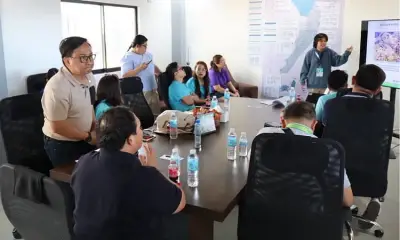
The Department of Social Welfare and Development-Davao Region (DSWD-Davao) has taken a proactive step in assessing the impact of its climate resilience initiatives. The agency's Risk Resiliency Team recently carried out a comprehensive evaluation of two key projects: Project Local Adaptation to Water Access (Lawa) and Breaking Insufficiency through Nutritious Harvest for the Impoverished (Binhi). This assessment was conducted across several towns in Davao de Oro, aiming to measure progress, strengthen accountability, and ensure long-term, sustainable support for communities vulnerable to climate change effects.
Strengthening Community Ownership and Accountability
In a Facebook post dated February 2, DSWD-Davao highlighted that the evaluation activity was designed to bolster partner accountability and foster community ownership. The goal is to guarantee that the interventions under Projects Lawa and Binhi are not only effective but also sustainable in addressing the specific needs of target communities. By involving local stakeholders, the initiative seeks to create a sense of responsibility and engagement among residents, which is crucial for the long-term success of such programs.
Collaborative Efforts and Project Locations
The evaluation was led by the Risk Resiliency Program–Climate Change Adaptation and Mitigation, with support from the Bureau of Fisheries and Aquatic Resources (BFAR) and Municipal Technical Working Groups. The team visited multiple project sites, including 22 locations in Monkayo, 24 in Compostela, 13 in New Bataan, and 12 in Mabini. At each site, a thorough examination was conducted to assess the physical state of the projects, verify compliance with approved plans, evaluate resource utilization, and document both operational challenges and successes.

National Implementation and Goals
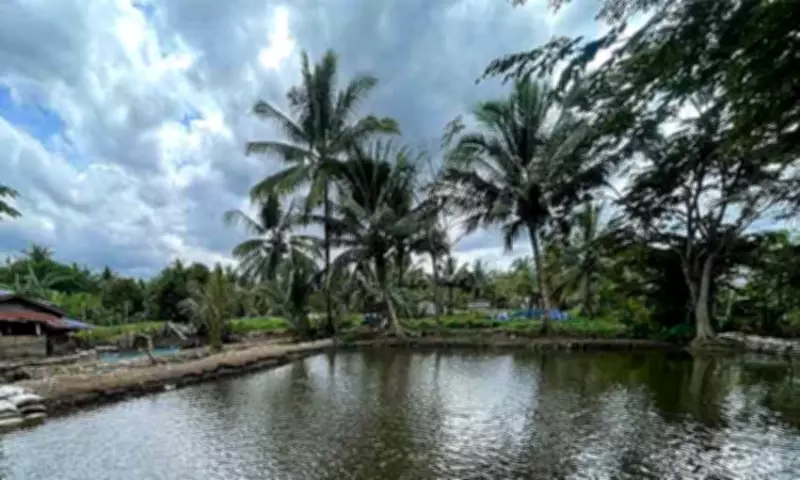
Projects Lawa and Binhi are part of a broader national effort to build climate and disaster-resilient communities. In 2025, these projects were implemented in 405 cities and municipalities across 72 provinces, expanding from 310 cities and municipalities in 61 provinces in 2024. The primary objectives of these initiatives are to assist communities in constructing reservoirs and promoting gardening activities. These measures are intended to help residents cope with both the rainy season and dry spells, thereby enhancing their resilience to climate-related disruptions.
Ensuring Responsive and Lasting Interventions
The DSWD-Davao program aims to improve project implementation, advance transparency, and provide ongoing support to citizens in the Davao Region who are affected by climate change. By conducting these evaluations, the agency ensures that government interventions remain responsive, effective, and durable. This approach not only addresses immediate needs but also lays the groundwork for sustainable development, empowering communities to better withstand future environmental challenges.