
Cebu Councilor Advocates for Step-by-Step Approach in Binaliw Landfill Crisis
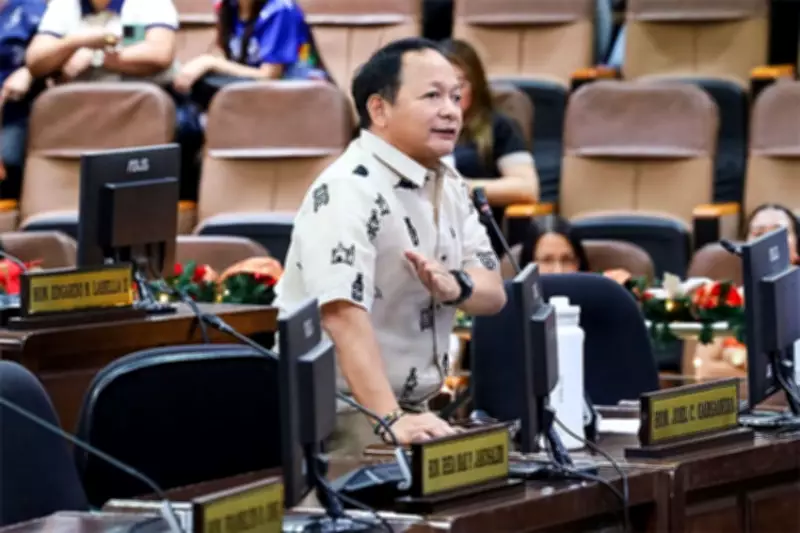
In response to growing demands from residents of Barangay Binaliw for the permanent closure of the Cebu City landfill and rejection of a proposed waste-to-energy (WTE) facility, Councilor Joel Garganera has emphasized a cautious, methodical approach. He stresses that accountability, a thorough investigation, and rehabilitation of the dumpsite must take precedence before any future decisions are made, even as he acknowledges WTE as a potential long-term solution to the city's garbage management issues.
Unresolved Tragedy and Investigation Delays
Garganera highlighted the ongoing uncertainty surrounding the January 8, 2026 trash slide that claimed 36 lives. In an interview with SunStar Cebu on February 9, 2026, he noted that more than a month after the disaster, the Department of Environment and Natural Resources (DENR) has yet to provide definitive findings. This lack of clarity, he said, leaves both the community and policymakers in a state of limbo, complicating efforts to address the crisis effectively.
"The first thing we need to do is focus on the pressing issue, one at the time of the investigation and the rehabilitation of the dumpsite. Until now, there is still no clear result from DENR, and that leaves everyone in float," Garganera explained. He emphasized that the immediate focus should be on investigating and stabilizing the Binaliw dumpsite, which he described as still being treated as a crime scene.

Broken Community Trust and Opposition
The councilor acknowledged the deep-seated opposition from Binaliw residents, who are still grieving and distrustful of new waste-related proposals after the tragedy. He pointed out that the community has been "failed" by previous assurances from landfill operators and regulators, with the incident now "stained with the blood of 36 people." This history makes it extremely difficult for residents to trust any new technology or approach, regardless of how it is presented.
Garganera added that for families living near the dumpsite, calls for new facilities feel premature and insensitive, especially without closure on the investigation. He argued that discussions should first center on the status and direction of the DENR probe, including when rehabilitation of the dumpsite will actually begin, as stabilizing the waste pile is critical to preventing another tragedy.
Calls for Executive Session and Accountability
Reiterating his stance against resuming operations at the Binaliw site, Garganera described it as a crime scene that must be fully examined. He has called for an executive session at the City Council to allow councilors to be briefed on developments involving Prime Waste Solutions, the Environmental Management Bureau (EMB-DENR), and the local government. This closed-door session, he said, is necessary to establish facts surrounding the incident, regulatory oversight, and potential lapses.
Garganera also raised questions about the origins of the Binaliw landfill, noting it was opened during the administration of former mayor and now Vice Mayor Tommy Osmeña, despite complaints and red flags as early as 2017. He said concerns from residents and council members at the time were allegedly left unanswered, making it difficult to understand why Osmeña would oppose a City Council investigation. For Garganera, probing the incident is about establishing accountability and ensuring the city does not repeat mistakes.
WTE Debate and Long-Term Solutions
The renewed debate on WTE was triggered by remarks from Barangay Captain Vivian Ruste, who expressed openness to hosting a WTE facility under certain conditions, and a proposal from Councilor Pastor Alcover to locate it at the existing landfill. These statements led to backlash from residents, who launched a signature campaign on February 8, calling for landfill closure and rejecting any WTE project.

While Garganera understands the resistance, he cautioned against dismissing all technologies outright, warning that doing so could leave the city with riskier options like continued reliance on open dumpsites. "Not all technology is evil," he maintained, emphasizing that solving the garbage problem requires sustainable technology and a behavioral shift among residents in waste segregation and recycling.
He warned that garbage mismanagement is not abstract, pointing out that the trash that killed 36 people came from everyday waste. If this behavior does not change, another disaster is inevitable. While rehabilitation and investigation must come first, Garganera was firm about his position: if forced to choose between dumpsites or WTE, he would opt for a waste-to-energy solution. However, he stressed that discussions about future facilities should not overshadow the urgent task at hand.
For now, Garganera concluded, the city's priority must be to stabilize the Binaliw dumpsite, complete the investigation, and provide clear answers to a community still searching for justice.