Cebu City's Waste Crisis Forces Rethink on Energy Solutions
In the wake of a devastating landfill disaster and an escalating trash overflow, Cebu City officials are urgently reevaluating waste-to-energy (WTE) technology as a potential primary fix for the city's mounting garbage problems. Mayor Nestor Archival, a longtime advocate for conventional recycling and composting, now acknowledges that the pressing demands of managing urban refuse have thrust this controversial technology into the forefront of policy discussions.
The Immediate Crisis and Its Triggers
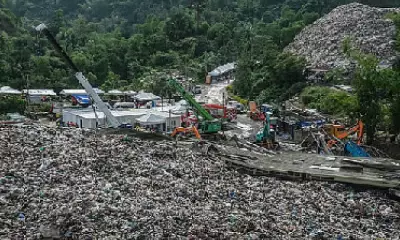
During a press conference held on Tuesday, February 10, 2026, Mayor Archival revealed that WTE is being seriously considered as a long-term contender to address the city's waste management woes. This strategic pivot comes in response to a tragic trash slide at the Binaliw landfill on January 8, 2026, which resulted in the deaths of 36 individuals. Currently, Cebu City is forced to transport the majority of its waste to a landfill in Consolacion, which has a daily capacity of only 150 tons. To cope with the excess, the city has implemented a split collection schedule, where north and south districts alternate days for trash disposal, highlighting the severity of the overflow issue.
Why This Shift Matters for Urban Management
The move toward adopting WTE represents a significant departure from the city's historical reliance on landfills, which residents increasingly demand be shut down due to safety and health concerns. If implemented, WTE facilities would convert non-recyclable trash into electricity, potentially addressing both waste disposal and energy generation simultaneously. However, this approach introduces a complex paradox: these plants require a consistent and substantial flow of garbage to remain economically viable, which may undermine efforts to reduce waste through enhanced recycling programs. This tension between profitability and sustainability is at the heart of the ongoing debate.

The Broader Regional and National Context
This discussion is not isolated to Cebu City alone. The Regional Development Council (RDC) is actively examining WTE as a potential solution for the entire province of Cebu. As landfills nationwide reach capacity and land costs soar, local governments are scrutinizing national guidelines to determine whether burning trash for power is a sustainable pathway or an expensive environmental hazard. This broader perspective underscores the urgency of finding effective waste management strategies in an era of limited resources.
Mayor Archival's Evolving Stance on Waste Solutions
Historically, Mayor Archival has been a vocal critic of leaping to high-tech solutions, preferring to emphasize household-level interventions such as segregation and composting. He reiterated that he still views WTE as a "last resource" option within the waste hierarchy, stating, "For me, the priority is really segregation first, then composting and using plastics as a resource." Despite his personal inclination toward these traditional methods, the mayor conceded that the realities of the current crisis necessitate exploring all available options. He explained that any potential investor in a WTE plant would require guarantees of a steady garbage supply, noting, "One of the important things that investors look at is the steady flow of garbage. If there is no garbage, they won’t be able to generate electricity."
Upcoming Decisions and Collaborative Efforts
A pivotal meeting scheduled for February 20, 2026, will convene officials from Cebu City, the Province of Cebu, and national agencies. This summit is expected to play a crucial role in determining whether the province will advance with a unified waste management strategy and if WTE will gain the official support needed to attract investors. The outcome could shape the future of waste handling in the region for years to come.