Cebu City Mayor Explores Waste-to-Energy Solutions in Japan Following Landfill Disaster
Cebu City Mayor Nestor Archival is currently on a study visit in Japan, focusing on waste-to-energy (WTE) and circular economy systems. This initiative aims to achieve cleaner barangays, reduce landfill costs, and promote sustainable energy production for the city.
Motivation Behind the Visit
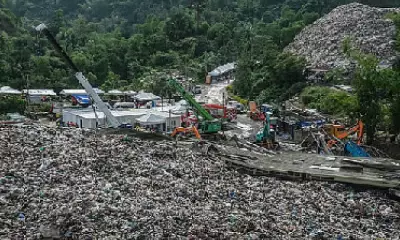
The visit comes in the wake of a tragic trash slide at the Binaliw landfill in Cebu City on January 8, 2026, which resulted in 36 fatalities and numerous injuries. Mayor Archival expressed hope that Cebu can adopt practical and sustainable solutions to address its growing waste management crisis.
"We will bring these lessons home and work with partners to build solutions that are practical, affordable, and good for our people," stated Archival in an update from Japan on February 27.

Key Observations and Inspirations
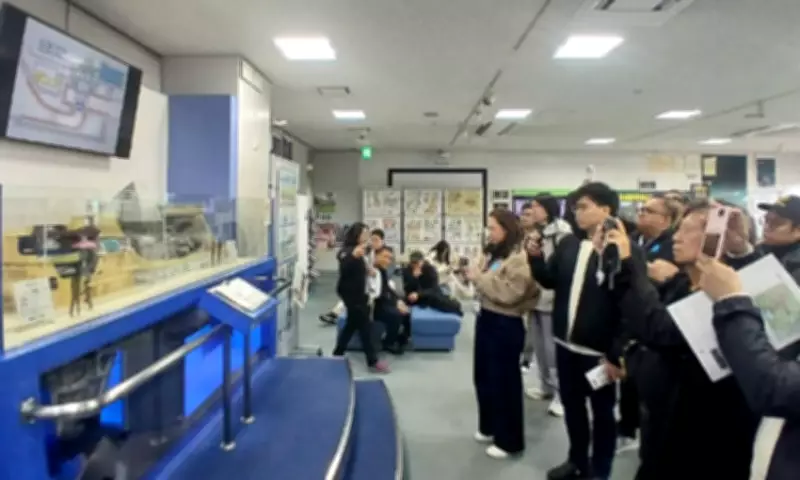
During the visit, the delegation toured facilities that convert waste into electricity, minimize landfill usage, and promote environmental protection while maintaining clean and safe communities. Archival highlighted inspiration from cities like Yokohama and Tokyo, which effectively turn waste into energy and reduce environmental impact.
"We are inspired by how cities like Yokohama and Tokyo turn waste into electricity, reduce landfill use, and protect the environment," he remarked.
Collaboration and Principles
This study visit is part of Cebu's cooperation with ICLEI – Local Governments for Sustainability under the Asian Circular Cities Declaration, which advocates for circular economy practices in Asian cities. Archival emphasized that Cebu can learn important principles from Japan's system, including:
- Treating waste as a resource
- Integrating technology with public discipline
- Investing in clean and socially acceptable technologies
- Ensuring strong community participation
"Our goal is simple: cleaner barangays, less landfill cost, and sustainable energy for Cebu," he added.
Provincial Involvement and Industrial Insights
The Japan visit is led by Cebu Governor Pamela Baricuatro, who is also examining suitable WTE technologies for the province as part of its goal for responsible waste management. Accompanying Baricuatro are Archival, Provincial Board members Stanley Caminero and Kerrie Keanne Shimura, officials from the Cebu Chamber of Commerce and Industry (CCCI), and Second District Representative Sun Shimura.
The delegation toured the Kanazawa Reclamation Industrial Area, where WTE plants operate under the Green Transformation (GX) framework. Officials observed advanced exhaust gas treatment systems and monitoring technologies designed to minimize environmental impact.
Representatives from JFE Engineering and Guun showcased heat and energy exchange systems that allow neighboring industries to share electricity and thermal energy—a model of industrial collaboration aimed at reducing carbon emissions. According to the Province of Cebu, the Kanazawa Industrial Area demonstrates how circular economy principles can be integrated into an industrial zone, balancing energy production with environmental protection.
Future Steps and Gratitude
Governor Baricuatro expressed gratitude for the ongoing support from Yokohama and stressed the importance of international cooperation in achieving Cebu's sustainability goals. Mayor Archival is scheduled to return to Cebu on February 28, after departing for Japan on February 25.