Cebu's SRP Waste Crisis: Mayor's Temporary Fix Sparks Environmental and Business Concerns
The initiative by Cebu City Mayor Nestor Archival Sr. to completely eliminate the accumulating waste at South Road Properties (SRP) as quickly as possible is commendable. However, the critical question remains: is the proposed solution truly effective?
Immediate Actions and Their Consequences
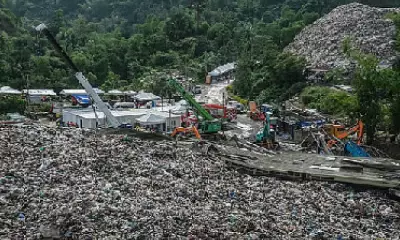
After Cebu City was prohibited from disposing of waste at the Consolacion City disposal site, the Queen City of the South utilized an open area at SRP as a temporary storage location before transporting the garbage to Aloguinsan City, approximately 60 kilometers away. Cebu City collects 600 tons of waste daily, a volume that unsurprisingly leads to accumulation and decomposition, as it can take several days or even weeks before the waste is moved to Aloguinsan.
It is also no surprise that foul odors emanate from the waste, carried by the wind, which are likely to be noticed by people, especially at SRP, located right beside the sea and renowned as the city's premier seaside hub. Numerous businesses, restaurants, and entertainment venues operate in SRP. Business owners who have invested significant amounts have already complained to Archival, as the stench from the waste is detectable by their customers and could potentially harm tourism.

Band-Aid Solutions and Long-Term Implications
In response, Archival has taken immediate action by setting a deadline of March 15, 2026, to relocate the temporary waste pile at SRP to another temporary storage site at White Road in Barangay Inayawan. This approach resembles a band-aid solution—quick to apply and soothing, but ultimately ineffective at treating a wound that is already infected.
For SRP's tourism, this move by Archival might be necessary, but it is hoped that his administration will develop a concrete solution to this problem after the waste is transferred from SRP to White Road. Most likely, if no solid plan is in place, residents around White Road will also complain about the waste's odor.
Learning from Other Cities
The City of Mandaluyong in the capital region has established a specialized waste storage facility within its city—a 1,000-square-meter, closed-door structure that uses negative air pressure and industrial deodorizers to ensure fresh air near the sea is not affected. Mandaluyong is known for this facility. Within just 12 hours, waste is hauled from this site to appropriate disposal locations.
In a prosperous city like Cebu City, it should not be difficult to emulate what Mandaluyong has done regarding waste management. Currently, the outcome depends solely on what is in Archival's mind, underscoring the need for decisive and sustainable action to address this pressing environmental and economic issue.