
A powerful 6.9 magnitude earthquake that shook Cebu on the night of September 30, 2025, did more than rattle the island. It severely shook the confidence in the safety of buildings used by students, teachers, and staff at Cebu Technological University (CTU) in San Fernando. For a campus administrator, this experience delivered a crucial lesson: the true strength of an educational institution is built not just on cement and steel, but on transparency, integrity, and responsibility.
Post-Quake Inspection Uncovers Alarming Truth
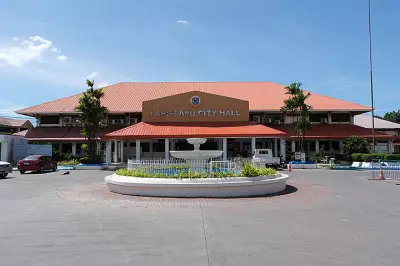
In the days following the seismic event, a routine structural assessment of the campus revealed a disturbing fact. Two major buildings currently in use—the College of Technology (CoT) and the Administration Building—were constructed by the Department of Public Works and Highways (DPWH) through a so-called "amigo" or favored contractor. These projects were funded during the administration of a former mayor of the San Fernando local government in Cebu.
However, when the administrator reviewed documents for post-earthquake safety and insurance requirements, a critical gap was discovered. The essential permits for the buildings—including Building, Occupancy, and Electrical Permits—were never officially turned over to the university. These are mandatory documents that must be processed, approved, and handed over to the end-user.

More Than Paperwork: A Looming Crisis of Liability
This omission is not a simple paperwork lapse. It represents a significant risk to liability, security, and legality. Without these permits, the university faces severe challenges. It will struggle to secure CHED-COPC accreditation, stable electrical connections, and crucial GSIS insurance coverage for the structures. The potential consequences extend far beyond administrative hurdles.
The Commission on Audit (COA) may issue an Audit Observation Memorandum (AOM) against CTU due to the lack of documentary evidence proving the legality of using these buildings. Such an AOM can serve as a basis for a deeper investigation and cast doubt on the project's turnover process, potentially damaging the institution's image and credibility.
A Call for Clarity and Protection
In response to this discovery, the campus administrator is now leading an effort to secure all missing documents and clarify the entire process. The goal is twofold: to finally complete the long-overdue requirements and, more importantly, to safeguard the welfare and safety of every student, teacher, and employee who uses these facilities daily.
This situation underscores a vital issue in public infrastructure, especially in a country prone to natural disasters. It highlights the imperative that buildings, particularly those housing vulnerable populations like students, must not only be physically sturdy but also fully compliant and documented to ensure long-term safety and accountability.