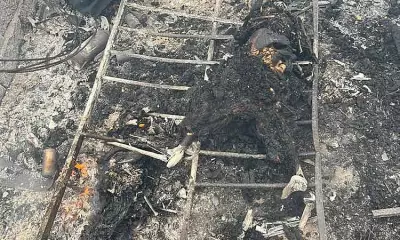
A devastating New Year's Eve fire in the Swiss ski resort of Crans-Montana has shocked a nation synonymous with order and safety. The blaze, which broke out in a basement bar, claimed dozens of young lives. For Filipinos, this distant tragedy strikes a painfully familiar chord, echoing one of our nation's darkest nights: the Ozone Disco fire on March 18, 1996.
Haunting Parallels Across Time and Distance
Separated by decades and continents, the two disasters share chilling similarities. Both venues were filled with teenagers and young adults celebrating milestones—New Year's Eve in Switzerland and graduation season in Quezon City. In both cases, the establishments were dangerously overcrowded, turning moments of joy into instant chaos when flames erupted.
Most tragically, escape routes failed catastrophically. The Ozone Disco had only one narrow exit, while the Swiss bar had a bottlenecked staircase. These structural failures transformed potential exits into death traps, leading to immense loss of life. The Ozone fire remains one of the deadliest nightclub fires in global history, with 162 victims, mostly young Filipinos.

The Chain of Preventable Failures
These tragedies remind us that disasters are rarely caused by a single mistake. They are the result of a chain of small, preventable lapses. Common factors include:
- Overcrowding beyond safe capacity
- Inadequate and poorly marked exits
- Use of combustible interior materials
- Insufficient ventilation
- The dangerous combination of pyrotechnics and enclosed spaces
When establishments cut corners on safety and inspections are not rigorous, the conditions for catastrophe are created. The laws of physics do not change, whether in a Swiss alpine resort or a bustling Quezon City district. Fire spreads rapidly, smoke incapacitates in seconds, and panic multiplies the danger.
Enduring Lessons for the Philippines
The first and most critical lesson is that fire safety is absolutely non-negotiable. Compliance with building codes, regular inspections, and strict enforcement of capacity limits are essential to prevent future loss of life.
Secondly, there is a pressing need for youth awareness. Many young Filipinos today may not know the story of the Ozone Disco. Educating them on how to identify exits, avoid overcrowded areas, and recognize hazards is not spreading fear—it is empowering them with life-saving knowledge.
Finally, these events highlight our communal responsibility. Stories of heroism emerged from both tragedies, with friends and strangers helping each other. While this human courage is vital, it cannot replace the structural safety that should never have been compromised.
As Switzerland mourns, the Philippines remembers its own profound grief. The most meaningful tribute to the young lives lost in both Crans-Montana and Quezon City is sustained action: demanding safer venues, insisting on stricter enforcement, promoting better public education, and fostering a culture that values human life above profit or spectacle. Their memory calls us to unwavering vigilance, compassion, and reform.