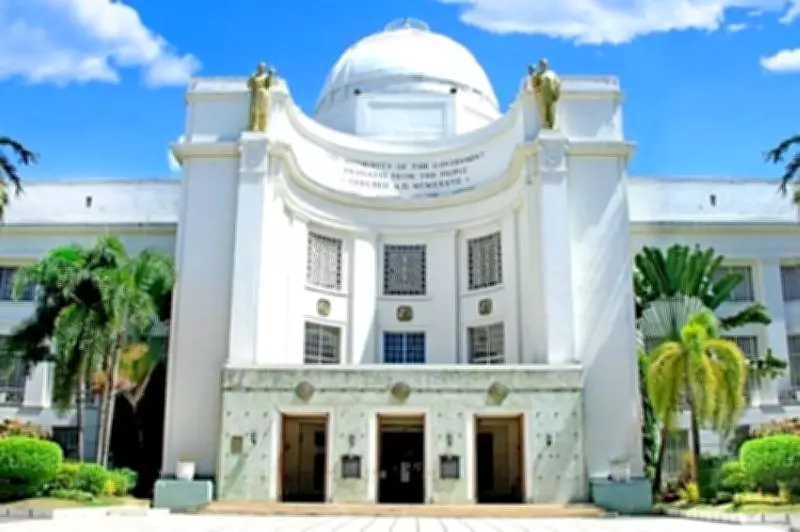
Cebu Province Unveils Waste-to-Fuel Facility Plan to Enhance Waste Management
The Provincial Government of Cebu has revealed its strategy to install a waste-to-fuel facility at its existing materials recovery facility (MRF) located near the Marcelo Fernan Palace of Justice in Cebu City. This initiative is part of the broader Clean Cebu Campaign, launched on March 19, 2026, to improve solid waste management across local government units (LGUs).
Project Details and Objectives
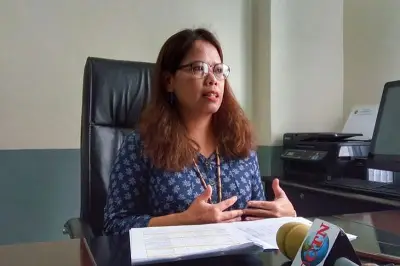
According to Assistant Provincial Administrator Aldwin Empaces, the waste-to-fuel project aims to reduce waste volume by 30 percent, serving as a faster alternative to long-term waste-to-energy (WTE) solutions. Empaces stated on March 26, 2026, that the Province is evaluating this less costly option to strengthen solid waste management implementation.
"That Clean Cebu Campaign we launched starts at home—if we begin it here, we hope other LGUs will follow," Empaces remarked in a mix of Cebuano and English. The facility is targeted for installation in April 2026, pending assessment of its fit within the existing MRF.

Technology and Operational Plans
The Provincial Government is considering technology from JCA 1221 Holdings Inc., which utilizes zero-waste pyrolysis to convert plastic waste into fuels like gasoline and diesel. This system can process up to five tons of residual waste daily, is expandable, complies with Clean Air Act standards, and includes septage treatment with water reuse capabilities.
Once operational, the facility will process plastic waste, with around 30 percent of collected waste converted into fuel. The Province plans to use this fuel for its own operations, particularly for generators in Capitol-run hospitals, leading to significant energy savings.
Alignment with National Energy Emergency
This initiative aligns with the National Government's energy response following President Ferdinand Marcos Jr.'s declaration of a State of National Energy Emergency on March 24, 2026, under Executive Order 110. The declaration was prompted by the ongoing conflict in the Middle East affecting global oil production and transport.
Challenges and Broader Context
Empaces highlighted that many LGUs struggle with implementing Republic Act 9003, the Ecological Solid Waste Management Act of 2000, particularly with waste segregation at the household level. "Ang challenge man gyud sa Solid Waste Management is segregation sa source, which is sa balay," he explained, noting lenient enforcement of the law.
In Cebu City, issues such as the Binaliw landfill collapse have forced waste hauling to Aloguinsan over 60 kilometers away, doubling costs and delaying policies like "no segregation, no collection."
Immediate and Long-Term Solutions
Governor Pamela Baricuatro has issued a memorandum directing stricter waste segregation and the study of waste-to-fuel technology. Empaces emphasized that this technology offers an immediate, cost-efficient solution compared to landfills, biogas, or long-term WTE facilities.
He added that improving segregation and composting could significantly reduce waste, with wet waste potentially turned into fertilizer. Composting operations are being considered at a Provincial Government-owned facility in Barangay Lahug, Cebu City.
Waste-to-Energy Challenges
While the Provincial Government continues to explore WTE options, it faces challenges including a P20 billion estimated cost, lack of a suitable site, and the need for coordination among Metro Cebu LGUs to ensure sufficient waste supply. Empaces stressed that WTE requires agreement among cities like Mandaue, Cebu, Talisay, Consolacion, and Lapu-Lapu.
Waste Sources and Segregation Efforts
Garbage for the waste-to-fuel program will come from Province-run facilities in Cebu City, including Larsian, Sugbo Sentro in IT Park, north and south bus terminals, the Capitol, and Museo Sugbo. Currently, waste from these sites is transported to Aloguinsan landfill, but the new system will process it into fuel.
Daily waste collection estimates include:

- Capitol: 20 cubic meters
- Larsian: 8 to 10 cubic meters
- IT Park Sugbo Sentro: 8 cubic meters
- Cebu North Bus Terminal: 3 cubic meters
- Cebu South Bus Terminal: 10 cubic meters
- Museo Sugbo: 1 cubic meter
Currently, one to two dump trucks transport waste daily to Aloguinsan, consuming around 80 liters of diesel per day and costing about P8,000. Previously, with disposal at Binaliw landfill, fuel use was lower at 40 liters per day.
Conclusion
The waste-to-fuel facility represents a proactive step by the Cebu Provincial Government to address waste management challenges, reduce environmental impacts, and contribute to energy savings. By serving as a model for other LGUs, the Province aims to foster broader adoption of sustainable practices in line with national and local priorities.