The catastrophic flooding triggered by Typhoon Tino on November 4, 2025, served as a stark and painful wake-up call for Metro Cebu, highlighting its escalating vulnerability to extreme weather phenomena. Homes were submerged, livelihoods shattered, and communities across low-lying and riverside areas were left to confront profound loss. While the immediate catalyst was intense rainfall, the sheer magnitude of the destruction unveiled deeper, systemic problems: severely degraded watersheds, deforested uplands, constricted and silted river channels, and relentless, unplanned urban sprawl. These interconnected challenges demand solutions that transcend temporary engineering interventions, urging a return to restoring the natural systems that historically safeguarded Cebu's people and landscapes.
Typhoon Tino's Harsh Lessons: A Watershed Crisis
Typhoon Tino laid bare the fragility of lower sections within critical river systems, including the Mananga, Butuanon, Cansaga/Consolacion, Cotcot, Lusaran/Combado, and Malubog rivers. Floodwaters ravaged not only densely packed urban barangays but also reached areas as distant as Balamban and Toledo, illustrating a direct, devastating link between upstream watershed degradation and downstream disaster. Compounding this, the increasing rainfall intensity, driven by the orographic effect where typhoons release heavy precipitation at watershed headwaters, overwhelmed these already compromised landscapes.
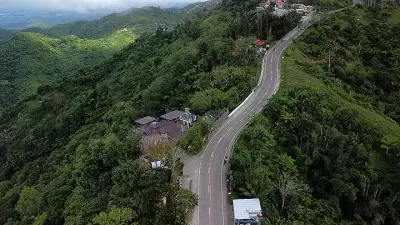
In numerous river basins, the forests that once acted as natural sponges—absorbing rainfall and moderating runoff—have been supplanted by settlements, road networks, and quarrying operations. Consequently, rivers have narrowed and silted up, drastically reducing their capacity to safely channel floodwaters to the sea. As climate change amplifies rainfall patterns, these altered environments can no longer function as effective buffers, transforming heavy rain events into widespread calamities. Typhoon Tino thus underscored a critical truth: flooding in Metro Cebu is fundamentally a watershed management issue, not merely a drainage or river engineering problem.

The Metro Cebu Green Belt: A Strategic Vision for Resilience
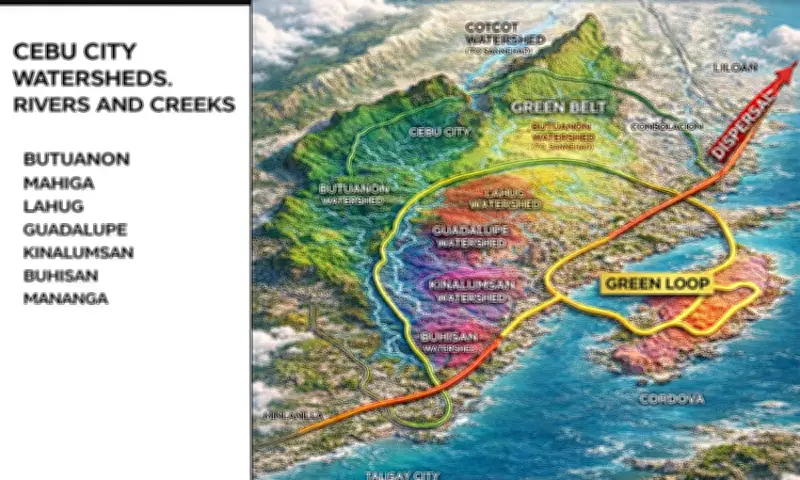
The proposed Metro Cebu Green Belt represents a transformative, nature-based strategy centered on establishing a strategic conservation zone. This zone encompasses key watersheds stretching from Cotcot, Cansaga, and Butuanon in the north to Mananga in the south. Its core mission is to protect and rehabilitate upland forests, river corridors, and associated ecosystems vital for water regulation, biodiversity conservation, and disaster risk reduction.
Moving beyond isolated interventions for individual rivers or municipalities, the Green Belt adopts an integrated ridge-to-reef framework. This approach acknowledges the intrinsic connectivity of ecosystems: impacts in the uplands reverberate through rivers, which in turn affect coastal waters and fisheries. By managing these systems holistically, the Green Belt aims to restore ecological equilibrium while simultaneously supporting human communities.
Reconnecting Nature's Protective Systems
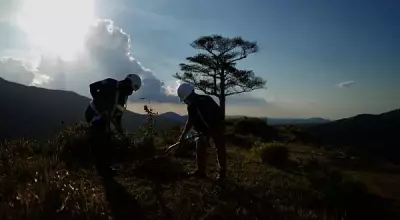
Central to the Green Belt strategy is the restoration of natural "sponge" areas—forests, wetlands, and riparian zones that absorb rainfall, decelerate surface runoff, and diminish peak flood flows. Healthy forests enhance soil infiltration, stabilize slopes, and curb erosion, while vegetated riverbanks help prevent siltation and channel constriction.
By re-linking forests, rivers, and coastal ecosystems, the Green Belt also boosts biodiversity. The reintroduction of native tree species, creation of wildlife corridors, and rehabilitation of river systems facilitate the recovery of flora and fauna, strengthening essential ecosystem services like pollination, water purification, and carbon sequestration.
These ecological advantages translate directly into human benefits: reduced flood risks, cleaner water supplies, cooler microclimates, and more resilient food systems, particularly for communities dependent on coastal and riverine resources.

Empowering Upland Communities for Sustainable Stewardship
A vital component of the Metro Cebu Green Belt is the active inclusion and empowerment of upland communities. Many areas within the proposed watershed zones are home to farmers, indigenous peoples, and informal settlers whose survival is intricately tied to the land.
The Green Belt strategy champions community-based forest management, agroforestry, and sustainable livelihood initiatives that enable residents to become stewards rather than casualties of conservation policies. Introducing fruit trees, bamboo, and mixed cropping systems can generate income while simultaneously restoring forest cover. Additional incentives, such as ecotourism, watershed protection fees, and payments for ecosystem services, can further encourage long-term environmental stewardship.
To mitigate practices like open farming and slash-and-burn (Kaingin), an initial livelihood intervention could involve promoting the establishment and operation of greenhouses in upland areas. These compact, high-production systems for high-value crops, utilizing drip-irrigation and drip-fertilizers, conserve vital resources. By aligning environmental protection with social equity, the Green Belt ensures conservation efforts uphold human dignity, forging a pathway toward shared resilience.
Building Climate Resilience and Reducing Disaster Risk
As climate risks intensify, the Green Belt serves as a crucial layer of disaster risk reduction for Metro Cebu. Unlike static engineered infrastructure, nature-based solutions adapt and strengthen over time. Forests become denser, soils improve, and ecosystems grow more resilient under proper management.
The Green Belt complements existing flood control structures, early warning systems, and urban planning reforms by tackling the root causes of flooding upstream. It reduces sediment loads that damage dams and drainage systems, lowers flood peaks during extreme rainfall events, and provides buffer zones capable of absorbing climate shocks.
In doing so, it shifts Metro Cebu from a reactive stance—perpetually rebuilding post-disaster—to a preventive and adaptive development model.
A Collective Responsibility for a Sustainable Future
The devastation wrought by Typhoon Tino must not recede into memory without decisive action. The Metro Cebu Green Belt presents a unifying vision that transcends political boundaries and short-term interests. Protecting watersheds is not solely an environmental imperative; it is a moral and economic necessity, safeguarding lives, livelihoods, and future generations.
Implementing the Green Belt will demand robust collaboration among national agencies, local government units, civil society, the private sector, and communities themselves. Yet, the cost of inaction is immeasurably higher. As Cebu continues to urbanize and climate impacts escalate, restoring nature's inherent defenses may constitute our most formidable line of protection.
The choice ahead is unequivocal: persist in building against nature, or commence rebuilding in harmony with it. The Metro Cebu Green Belt extends an invitation to embrace resilience, sustainability, and hope.