Cebu City's Garbage Crisis: A Race Against Time with New Sorting Hub and Dual-Landfill Plan
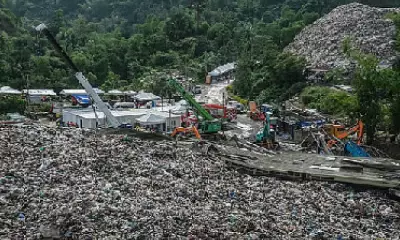
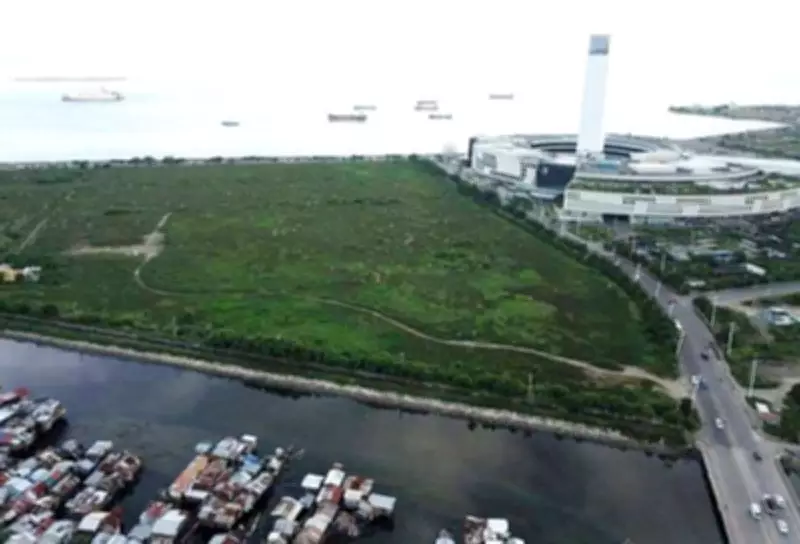
CEBU City is grappling with a monumental trash problem that demands immediate action. Following the indefinite closure of its sole landfill in the mountain barangay of Binaliw due to a fatal trash slide on January 8, 2026, the City Government has launched a temporary garbage sorting hub at the South Road Properties (SRP). This new facility represents a critical race against time to prevent waste from accumulating uncontrollably in the streets, as the city struggles to manage its daily output.
Daily Waste Production and Temporary Measures
Every single day, Cebu City generates an estimated 500 to 550 tons of waste. Mayor Nestor Archival has cited this lower figure, which marks a reduction from the previously reported 600 tons per day, though he has yet to provide a detailed explanation for this discrepancy. To address this overwhelming volume, the temporary materials recovery facility at the SRP is designed to separate recyclable items from residual waste, aiming to streamline disposal processes and mitigate environmental impact.
The Dual-Landfill Strategy for Long-Term Disposal
While the SRP hub serves as a short-term solution, the City is actively finalizing a comprehensive long-term disposal plan centered on two distinct landfills. One facility is located in Consolacion in northern Cebu, and the other in Aloguinsan in southwestern Cebu. Under this strategic arrangement, the Consolacion landfill is projected to handle approximately 150 tons of garbage daily, while the Aloguinsan site is expected to accommodate around 300 tons. Last week, Mayor Archival indicated that hauling operations to Aloguinsan could commence on Friday, February 20, though an update on its implementation is still pending.

Logistical Challenges and Initial Transfer Plans
Transporting this massive volume of trash presents significant logistical hurdles. The City aims to initiate the transfer of an initial 80 tons of residual waste from the SRP to Aloguinsan by the second week of March 2026. This endeavor will require 10 to 20 trucks to travel over 100 kilometers daily, highlighting the extensive efforts needed to manage the crisis effectively.
Addressing the Disposal Gap with Segregation Efforts
Even with both landfills operational, their combined capacity of about 450 tons per day falls short of the City's actual daily output, leaving a gap of 50 to 100 tons. To bridge this shortfall, Mayor Archival has mandated stricter waste segregation at the barangay level. Proper sorting of biodegradable and recyclable materials could potentially reduce up to 50 tons daily and save the city approximately P150,000 in tipping fees. In support of community initiatives, the City has established segregation, shredding, and composting sites at Block 27 in the North Reclamation Area, Carbon Public Market, and the upcoming Bagsakan Center at the SRP.
Criticism and Calls for Additional Solutions
Not everyone is convinced that barangay-level sorting alone will suffice. Councilor Joel Garganera, chairman of the environment committee, has cautioned that segregation may not adequately address the large volume of unsegregated waste. He has urged the administration to explore supplementary measures, including waste-to-energy technology. "Segregation is okay for the initial stage, but face it — what about the 80 to 90 percent of garbage that isn't segregated?" Garganera emphasized, pointing to the need for more innovative approaches.
The Crucial Role of Public Compliance
As Cebu City transitions to this new and complex disposal system, officials stress that sustained public compliance will be paramount. Preventing a prolonged garbage backlog ultimately hinges on every household actively participating in waste management and separation efforts. The success of these initiatives will determine whether the city can overcome its pressing environmental challenges and achieve a sustainable future.