
Cebu City's Road Safety Crisis: Fatal Accident Sparks Urgent Infrastructure Debate
A tragic accident at the South Road Properties (SRP) on Valentine's Day, which resulted in the deaths of two senior citizens, has reignited a long-standing debate over whether Cebu City's infrastructure is keeping pace with its rapid urban growth. While the city has implemented digital monitoring and increased personnel, this incident underscores systemic gaps in pedestrian protection and the regulation of high-speed corridors.
Immediate Responses and Safety Initiatives
Following the high-profile pedestrian fatality, Cebu City officials accelerated a series of road safety measures. These include the pilot testing of a CCTV-based command center that livestreams traffic conditions to the public and the deployment of criminology interns to assist the Cebu City Transportation Office (CCTO).
Cebu City Mayor Nestor Archival explained, "This was just a test to determine whether it was effective and to identify areas where we can still improve." He added that background audio was incorporated into the livestream to engage viewers, aiming to use social pressure and real-time data to manage driver behavior.

Simultaneously, the City Council is reviewing the proposed Kingston Ralph Ordinance, named after a local entrepreneur killed in a separate hit-and-run. This ordinance seeks to hold establishments accountable for serving alcohol to intoxicated drivers, marking a shift from focusing solely on driver behavior to examining the role of commercial entities in public safety.
Infrastructure Lag and Vulnerability
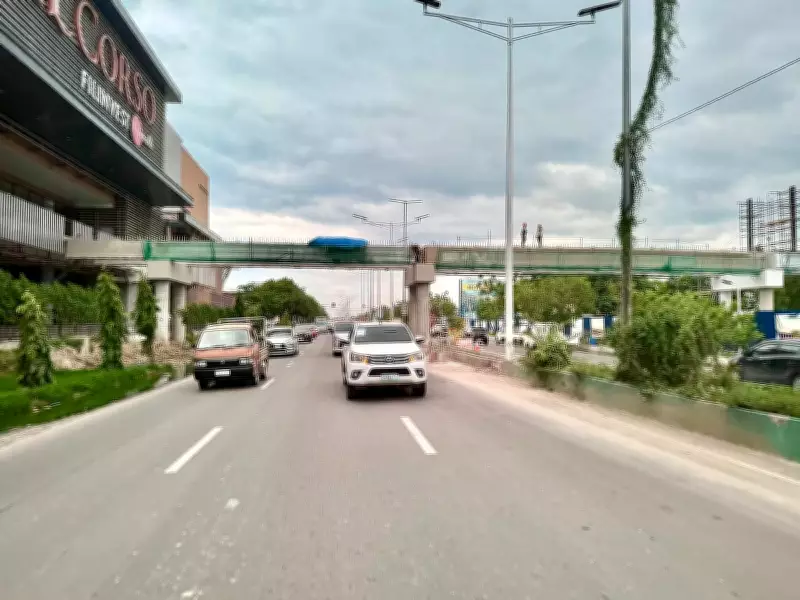
The urgency of these measures reflects a critical tension in Cebu City's development. The SRP was designed as a high-speed thoroughfare for vehicles, yet it increasingly serves areas with high pedestrian demand. Major safety projects, such as footbridges and walkways, are under construction but are not expected to be fully functional for six months to a year.
This "gap period" leaves pedestrians vulnerable in areas labeled as "danger zones" by the mayor. Archival stated, "Actually, to be honest, it's already there; it's just not yet completed. It will take time, probably around six months to one year."
Additionally, Archival called on Filinvest Land Inc. to open and maintain walkways in areas under its management to ensure pedestrian safety. Filinvest has yet to issue a statement regarding this request, highlighting the necessity of public-private coordination in maintaining safe pedestrian corridors in mixed-use zones.
Broader Urban Challenges and Future Outlook
Cebu City's struggle mirrors a global urban challenge: retrofitting "auto-centric" infrastructure for pedestrian safety. The SRP, modeled after modern coastal highways, lacks the dense network of overpasses and protected walkways found in more mature urban centers.
Historically, Cebu's road safety has relied on enforcement through CCTO personnel rather than design elements like physical barriers and separated grades. The current reliance on interns and manual monitoring indicates that the city is in a transitional phase, using manpower to compensate for unfinished physical infrastructure.
Looking ahead, several key milestones will shape the city's safety landscape:

- Infrastructure Completion: The completion of ongoing footbridge projects over the next 12 months will be a true test of the city's ability to reduce fatalities.
- Legislative Precedent: If the Kingston Ralph Ordinance passes, it could set a national precedent in the Philippines for "dram shop" liability, fundamentally changing how the hospitality industry operates.
- Command Center Integration: The pilot CCTV program may evolve from a Facebook livestream into a data-driven emergency response system capable of predicting accident-prone conditions.
- Private Sector Cooperation: The response from private developers like Filinvest will indicate how much of the safety burden the city can offload to corporate partners.
This incident underscores the complex interplay between rapid urban growth, infrastructure development, and public safety, calling for coordinated efforts from government, private entities, and the community to address systemic gaps.