
Cebu Water Crisis: Grid Instability Threatens Supply
Cera warns Metro Cebu's water security is hostage to power grid failures. The group demands integrated infrastructure and stable power for pumping stations to close the 300M liter daily gap.


Cera warns Metro Cebu's water security is hostage to power grid failures. The group demands integrated infrastructure and stable power for pumping stations to close the 300M liter daily gap.

MCWD invites private investors and bulk water suppliers to address financial losses and a 32% non-revenue water rate. A rate adjustment and progressive billing are also planned to ensure Cebu's water future.

NIA and the 1103rd Infantry Brigade assessed water sources in Timpook, Patikul, Sulu, aiming to boost agriculture and community resilience. Read about the joint development initiative.

Aboitiz InfraCapital Water reveals keen interest in investing in Cebu's water infrastructure to address a critical 300 million liters per day supply gap, aiming to support the province's booming economy. Learn how this move could secure Cebu's future.

Shared lists with real-time sync. No signup needed — just open and shop together.
Recommended
Davao City Water District explains the necessity of a phased 30% water rate increase to sustain service. Critics warn of added burden on households. Full details inside.

Residents of San Fernando, Pampanga still face discolored, foul-smelling, and low-pressure water a year after the city took over from Prime Water. What's the solution?

The National Irrigation Administration completed a river-clearing and dike project along the Baluran River, benefiting 33 farmers and protecting 214 hectares of farmland in Zamboanga Sibugay.

After 30+ years, Sitio NHA in Cebu City uplands finally has reliable water via MCWD. Mayor Archival inspected the project bringing relief to 240+ residents. Read more.

The National Irrigation Administration has pinpointed potential water sources in Panamao and Maimbung, Sulu, a key step towards boosting farm productivity and food security in the region. Learn more about this development.
Shared lists with real-time sync. No signup needed — just open and shop together.
Recommended
Bacolod's Water Watch Advocates demand transparency from Baciwa on PrimeWater's sale to Crystal Bridges Holdings. Consumers fear extended poor service under the joint venture. Read more.

Davao City Councilor Temujin Ocampo appeals to residents to steer clear of protected watersheds during celebrations to ensure safety and protect vital water sources. Learn about the risks and local ordinances.

Davao City Government and DCWD install eight 2,000-liter water tanks in upland Barangay Langub, providing free potable water to over 1,150 households. Read about this vital interim solution.

Bacolod Mayor Greg Gasataya urges PrimeWater to improve services as new ownership takes over. The city faces water supply threats due to unpaid bills. Read the latest updates.

FDC Misamis Power Corp completes riprapping and dredging of Soligao Creek, reducing floods and improving water quality. See how the Adopt-an-Estero program benefits Villanueva communities.
Shared lists with real-time sync. No signup needed — just open and shop together.
Recommended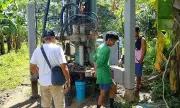
A new water drilling project in Barangay Naalad, Naga, Cebu, promises a reliable and clean water supply, solving a decades-old problem for residents. Completion is expected by January 2026.
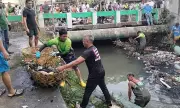
Cebu City Councilor Michelle Abella-Cellona endorses an ordinance to partner with private firms for waterway cleanup, offering tax credits. A response to severe 2025 flooding.

The Metropolitan Cebu Water District (MCWD) is paralyzed, unable to approve urgent repairs after Typhoon Tino due to a lack of board quorum. Learn how this governance crisis affects water supply.

Metropolitan Cebu Water District restores 248,000 cubic meters daily, reaching 90% of pre-typhoon levels. Normal water pressure returns for 214,000 connections. Read the latest updates.

DOST 7 supports a science-based water security assessment tool to help Cebu LGUs address flooding, water scarcity, and infrastructure gaps. Learn how this initiative transforms disaster response.
Shared lists with real-time sync. No signup needed — just open and shop together.
Recommended
Hydrologist Danilo Jaque urges Cebu to combine P25B structural projects with reforestation and retention basins for effective flood control. Learn the hybrid solution.

Cebu faces a water paradox of floods and shortages. The Water Secure PH Forum, starting Nov 27, 2025, unites experts to train LGUs on actionable plans for water security and climate resilience. Join the effort!

Aboitiz InfraCapital delivers over 518,000 liters of potable water to Cebu areas affected by Typhoon Tino, supporting recovery efforts across multiple municipalities.

Cebu addresses its water paradox after typhoons and earthquakes. Experts convene Nov 27-28 to train officials on building resilience and using nature-based solutions.

After 40+ years of water scarcity, Panacan residents now enjoy 24/7 clean tap water thanks to Davao City Bulk Water Supply Project. Discover how 300M liters daily transformed lives.
Shared lists with real-time sync. No signup needed — just open and shop together.
Recommended
Apo Agua showcased the Davao City Bulk Water Project at the PWWA conference, highlighting a 200% surge in service connections and sustainable water solutions for over a million.

Thousands in Metro Cebu face water shortages for weeks as MCWD struggles to restore service. Infrastructure vulnerabilities exposed. Learn about the impact on communities.

President Bongbong Marcos launches Oplan Kontra Baha in Cebu, clearing waterways to prevent future flooding disasters. Learn how this initiative protects communities.
Metropolitan Cebu Water District successfully interconnects damaged Jaclupan transmission line with new pipelines, restoring normal water service in Talisay City. Stay updated on water restoration efforts.

Metropolitan Cebu Water District maintains water safety operations despite expired DOH certificate. Updated plan submitted with 89.42% acceptance rating. Learn about water safety measures.
Shared lists with real-time sync. No signup needed — just open and shop together.
Recommended
Metropolitan Cebu Water District clarifies its Water Safety Plan remains operational despite DOH certificate lapse in 2022. Updated plan scores 89.42% approval, now awaiting final certification.
