
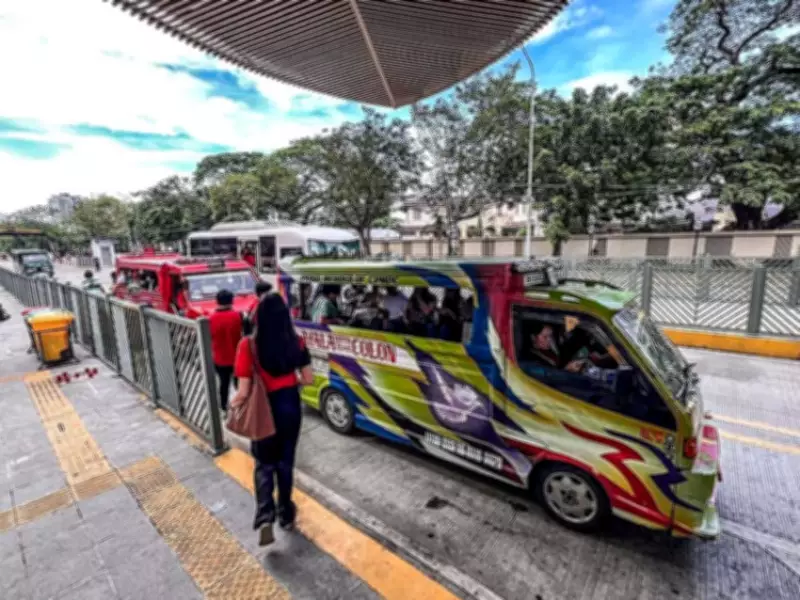
In the face of relentless increases in fuel prices, passengers are being left stranded, and the escalating daily operational costs have pushed numerous public transport operators in Cebu to cease operations or drastically reduce services. This unfolding crisis highlights severe challenges within the sector, threatening mobility for thousands of commuters.
Drastic Decline in Operational Fleet
Ellen Maghanoy, president of the Cebu Federation of Transport Cooperatives, revealed in an interview with SunStar Cebu on Tuesday, April 7, 2026, that there has been a significant drop in the number of modern jeepneys operating in recent weeks. Prior to the fuel price hikes, drivers could save between P1,000 to P1,500 daily from their earnings. However, current conditions have slashed their income to as little as P200 per day, with some reporting no profit at all.
Alarming Reduction in Units
From an estimated 900 to 1,000 units previously on the roads, only about 600 are now operational, marking a sharp decline of 40 to 50 percent. For instance, within the FITAM Transport group, the fleet has dwindled from 120 units to just 40 or 50. This reduction has created a ripple effect, severely limiting transportation options for daily commuters, including workers and students who rely on these services for their routines.

Financial Struggles and Survival Measures
To cope with the financial strain, cooperatives have implemented measures such as reducing the "boundary" fee—a daily remittance from drivers—from P3,000 to a range of P1,000 to P1,500. Despite these adjustments, many drivers continue to operate at a loss, struggling to cover basic expenses. Maghanoy noted that some drivers now operate solely to afford rice, transforming their work from a livelihood into a mere survival tactic.
Impact on Drivers and Routes
The hardship has forced numerous drivers to abandon their jobs and return to their home provinces, exacerbating the shortage of available transport. For example, Mango Jeep, which serviced routes from Talisay City to Cebu City, announced on April 6 that it would discontinue its 42D route to EMall, retaining only the 42E route to IT Park. This change has particularly concerned commuters, as the discontinued route offered cost-effective, single-ride options that saved time and money.
Broader Financial Burdens and Government Appeals
Beyond fuel expenses, transport cooperatives are burdened with loan repayments for modern units, maintenance costs, and mechanic salaries. Additionally, drivers have yet to receive promised government support, including a P5,000 fuel subsidy and a P10,000 aid package for operators. In response, Maghanoy has called on the government to intervene by capping fuel prices at P55 per liter and subsidizing any excess costs to alleviate the crisis.
This situation underscores a critical need for immediate action to sustain public transport in Cebu, ensuring that essential services remain accessible to all residents amidst economic pressures.