President Marcos Directs Health Department to Bolster Nipah Virus Surveillance
President Ferdinand "Bongbong" Marcos Jr. has issued a directive to the Department of Health (DOH) to enhance surveillance measures against the Nipah virus and other infectious diseases. This move aims to safeguard public health across the Philippines, as confirmed during a press conference held on Thursday, January 29, 2026.
Government Response and Health Protocols
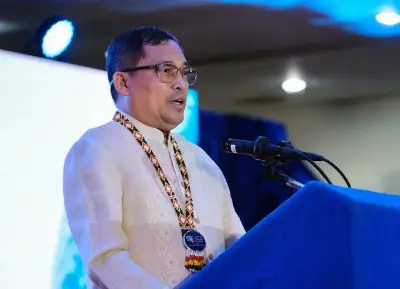
Presidential Communications Office (PCO) Undersecretary and Palace Press Officer Claire Castro announced that the DOH has aligned its health protocols with the latest updates from the World Health Organization (WHO). "The DOH's Bureau of Quarantine remains on alert and closely monitoring the Nipah virus, which has reportedly been detected again in other countries," Castro stated. She emphasized that this action follows President Marcos's directive to ensure the safety of Filipinos from infectious diseases.
Strengthening Information and Border Controls
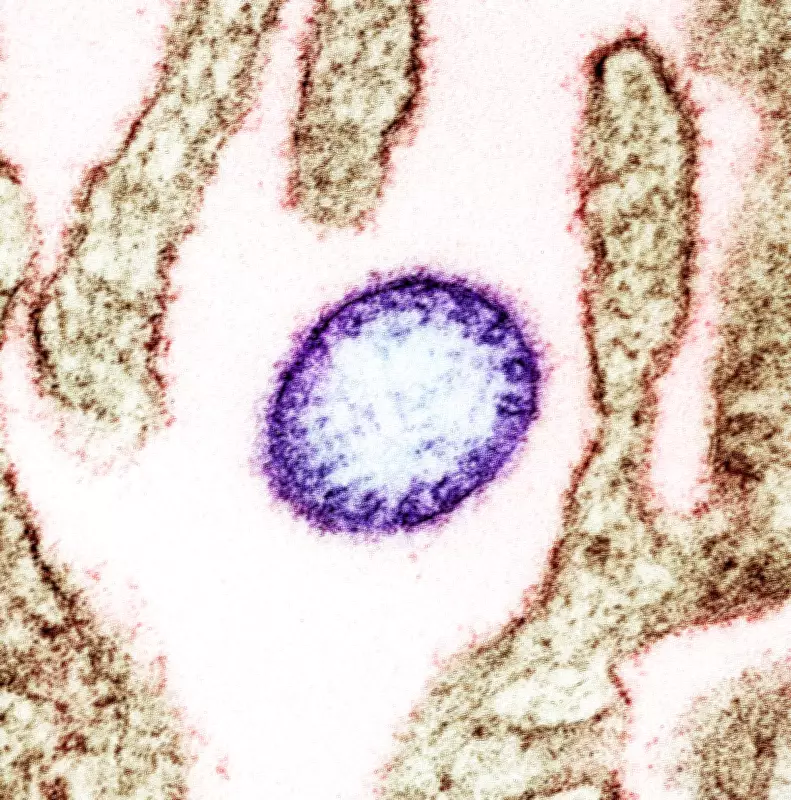
The DOH is intensifying its information campaign on the Nipah virus, which the WHO identifies as a zoonotic virus transmitted from animals to humans and between people. Castro highlighted that the department is maintaining full alertness and proactive measures at the country's borders. These include:

- On-arrival thermal scanning
- Trained observation of travelers
- Close scrutiny of online health declarations
Understanding the Nipah Virus Threat
According to the WHO, fruit bats serve as the primary natural hosts of the Nipah virus. The infection can present a range of symptoms, from mild or asymptomatic cases to severe respiratory illness and fatal brain inflammation. Common symptoms include:
- Fever
- Headache
- Muscle pain
The virus has caused limited outbreaks in Asia and can also lead to severe disease in animals like pigs, resulting in significant livestock losses. The Philippine government's proactive stance aims to prevent such impacts domestically.