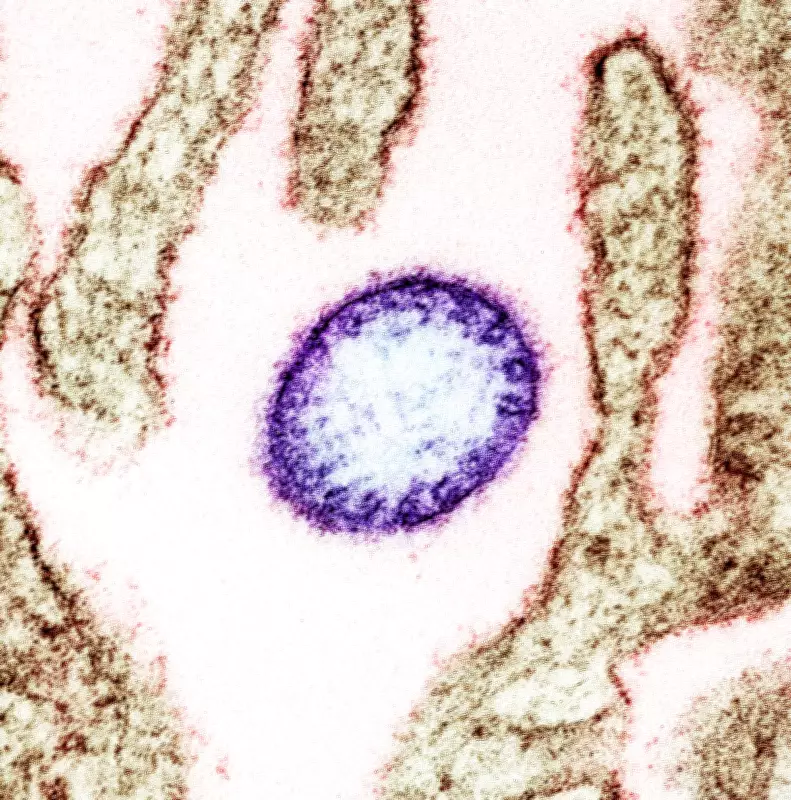
Philippines Health Department: No Travel Restrictions for Nipah Virus Threat
In response to growing concerns over the potential threat of the Nipah virus, the Department of Health (DOH) in the Philippines has officially announced that it is not currently considering the implementation of travel restrictions within the country. This statement comes amid heightened public awareness and international monitoring of the virus, which has raised alarms in various regions.
Official DOH Statement and WHO Guidance
In a recent public announcement, the DOH clarified that it has not identified a need to impose travel restrictions, aligning its approach with the guidelines provided by the World Health Organization (WHO). The department emphasized that, according to international health protocols, there are no recommendations for such measures at this time. "There are no international recommendations for travel restrictions," the DOH stated, underscoring its commitment to following evidence-based practices to manage public health risks without causing unnecessary disruptions.
Proactive Border Screening Measures by Bureau of Quarantine
Despite the decision against travel restrictions, the Bureau of Quarantine (BOQ) has taken proactive steps to enhance border security and public safety. These measures include:

- Implementation of online health declarations for travelers entering the country.
- Use of thermal scanning technology to detect potential fever symptoms at points of entry.
- Close observation of travelers for any signs of illness during their arrival and stay.
The DOH further explained that "the Bureau of Quarantine remains vigilant and recommends increased awareness rather than restricting the movement of travelers." This approach aims to balance public health protection with the facilitation of international travel and commerce.
Information Dissemination and Public Education Efforts
To combat the spread of misinformation and ensure public preparedness, the BOQ is actively engaged in information dissemination across all national points of entry. Educational materials about the Nipah virus are being distributed, covering essential topics such as:
- Symptom Recognition: Key symptoms include fever, headaches, and difficulty breathing, which individuals should monitor closely.
- Transmission Methods: The virus can spread through direct contact with infected animals like bats (including fruit bats) and pigs, or through contaminated fruits, highlighting the importance of handling food and animals with care.
- Preventive Measures: Simple yet effective steps like regular handwashing are encouraged to reduce the risk of infection and promote overall hygiene.
By focusing on education and awareness, the Philippine health authorities aim to empower citizens and travelers with the knowledge needed to protect themselves, rather than relying on restrictive policies that could impact daily life and the economy.