Bangsamoro Religious Ruling Restricts Women's Work Travel Without Male Guardian
In a significant development, the Bangsamoro Darul-Ifta (BDI) has released a religious ruling that declares Muslim women should not travel for employment without a mahram or male guardian. This decision is based on Islamic legal principles, prophetic traditions, and documented risks faced by women working away from home. The ruling, contained in Fatwa No. 7, Series of 2026, dated April 7, 2026, was issued after a formal query was submitted to the BDI regarding the permissibility of such travel.
Islamic Legal Basis and Prophetic Traditions
Central to the ruling is the position that travel by women without a mahram is generally prohibited in Islamic law. The BDI cited a widely recognized hadith recorded in Sahih al-Bukhari and Sahih Muslim: “A woman must not travel except with a mahram.” This directive is described as clear and comprehensive, applying to all forms of travel, including those for employment purposes. Additionally, the ruling quoted another prophetic tradition: “It is not lawful for a woman who believes in Allah and the Last Day to travel the distance of a day and a night except with a mahram.” The scholars emphasized that these narrations do not distinguish between travel for personal, religious, or economic reasons, making the prohibition broadly applicable.
Social Structure and Safety Concerns
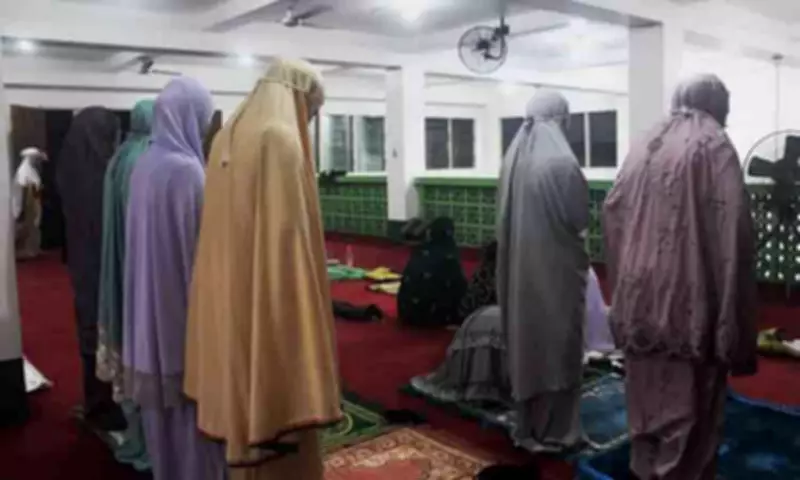
The fatwa frames its ruling within the broader context of Islamic social structure, noting that women are not religiously obligated to earn a livelihood, as this responsibility falls on male family members like husbands or fathers. This arrangement aims to honor and protect women, allowing them to focus on family duties such as managing households and raising children. While the ruling clarifies that women are not prohibited from working, it stresses that traveling without a mahram for employment may contradict Islamic teachings unless there is a compelling necessity.

Beyond doctrinal arguments, the BDI highlighted safety concerns, warning that solo travel can expose women to harm, exploitation, and abuse. The document cited the Islamic legal principle: “There should be neither harming nor reciprocating harm,” and referenced a Qur’anic verse: “And do not throw yourselves into destruction,” to reinforce the need to avoid dangerous situations.
Real-Life Risks and Practical Implications
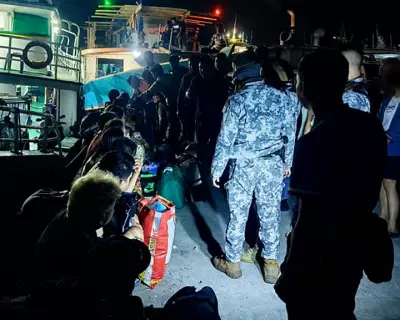
In strengthening its position, the BDI pointed to real-life accounts of Filipino women working abroad, particularly in domestic and healthcare roles. The fatwa noted instances where overseas workers faced excessive workloads, abuse, and unsafe conditions, sometimes leading to severe outcomes like imprisonment or death. It mentioned that interventions from agencies such as the Overseas Workers Welfare Administration (Owwa) were often required, with repatriation efforts being complex and difficult.
Based on these combined religious and practical considerations, the BDI concluded that women traveling for work without a mahram is not permissible, even if the work itself is lawful. The document ended with the statement, “The Almighty Allah knows best.” While a fatwa is not legally binding under Philippine law, it carries significant weight in Muslim communities, especially in the Bangsamoro Autonomous Region in Muslim Mindanao (Barmm), often guiding personal conduct and community norms.
As of press time, there has been no official response from labor or migration authorities on how this ruling may affect policies or the decisions of Bangsamoro women seeking employment outside their communities.