Bishop Issues Moral Call for National Healing on 40th Anniversary of EDSA Revolution
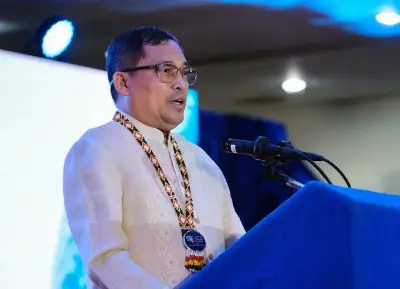
As the nation prepares to commemorate the 40th anniversary of the historic EDSA People Power Revolution on February 25, 2026, Bishop Alberto S. Uy has delivered a profound message calling for genuine national healing through concrete moral actions. The bishop emphasized that this milestone should not be merely a nostalgic remembrance but an opportunity for spiritual renewal and societal restoration.
The Spiritual Significance of EDSA
Bishop Uy, in his message originally shared through the Maymay sa Magbalantay Facebook page, described the EDSA Revolution as far more than a political event. "It was a moral and spiritual awakening that demonstrated to the world that true power resides not in military might or financial resources, but in truth, unity, and divine faith," he stated. The peaceful revolution of 1986, where a divided nation chose courage over conflict, continues to serve as a powerful example of what can be achieved when citizens unite for a common moral purpose.
Three Essential Requirements for National Healing
The bishop outlined three fundamental requirements that must be addressed for authentic national healing to occur, moving beyond mere ceremonial observances:

- Justice as Foundation: Bishop Uy emphasized that national healing cannot flourish in an environment where injustice is tolerated or overlooked. "Justice requires upholding the rule of law and ensuring accountability for all, regardless of social status or political influence," he declared. Without this foundation of justice, he warned that societal wounds remain unhealed and public trust continues to erode.
- Restoration of Stolen Wealth: The bishop made a compelling case for the return of assets wrongfully taken from the Filipino people. "What was stolen represents lost opportunities—schools that were never constructed, hospitals that remain underequipped, and livelihoods that went unprotected," he explained. Bishop Uy clarified that this restoration is not about vengeance but about repairing the tangible harm inflicted upon the nation and its citizens.
- Admission of Guilt and Responsibility: For true reconciliation to occur, Bishop Uy stressed that those responsible for wrongdoing must acknowledge their actions. "Genuine reconciliation cannot exist without truth," he asserted. A sincere admission of guilt represents moral courage and serves as the essential starting point for repentance, learning, and meaningful reform. The bishop noted that forgiveness becomes possible only when truth is spoken with humility and clarity.
The Enduring Legacy of EDSA
Four decades after the historic events at EDSA, Bishop Uy reminded Filipinos that the revolution's core message remains relevant today. "EDSAs fundamental lesson was that peaceful transformation becomes achievable when people walk together in truth and faith," he reflected. The bishop challenged contemporary society to embrace the difficult but necessary choices required for healing: choosing justice over denial, truth over silence, and responsibility over convenience.
Bishop Uy concluded with a hopeful vision: "Only through these courageous choices can the spirit of EDSA produce lasting benefits for our current generation and those yet to come. The anniversary should serve as both a remembrance and a recommitment to the values that made the peaceful revolution possible." His message serves as a timely reminder that the work of national healing requires ongoing commitment to moral principles and collective action.