

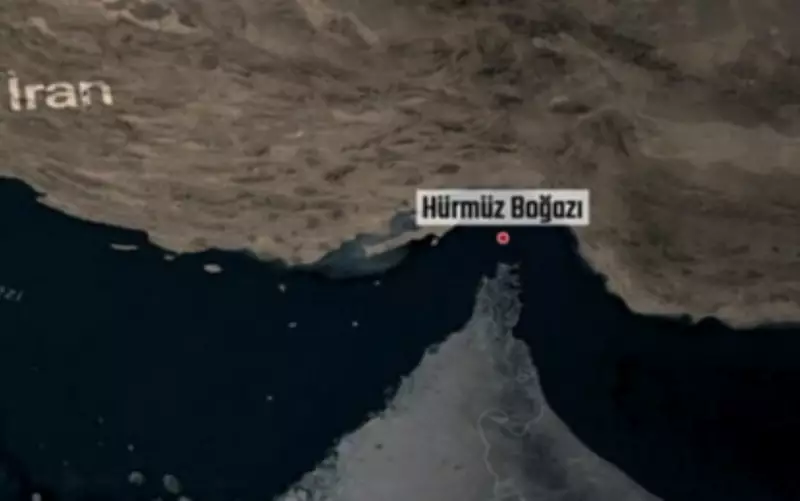
In a significant development for global maritime trade, the first commercial ship movements have been recorded in the strategically vital Strait of Hormuz following the implementation of a two-week ceasefire agreement between the United States and Iran. According to real-time data from ship tracking company MarineTraffic, these initial transits signal a potential easing of tensions in one of the world's most crucial oil shipping corridors.
Initial Vessel Movements Signal Resumption of Traffic
The Liberian-flagged cargo vessel Daytona Beach departed from Iran's Bandar Abbas port at 8:28 a.m. Turkish time, successfully crossing the Bosphorus at 9:59 a.m. The ship is currently navigating the Gulf of Oman with its destination listed as Fujairah Port in the United Arab Emirates. Simultaneously, the Greek-owned cargo ship NJ Earth passed through the Strait of Hormuz at 11:44 a.m., marking another critical movement in the resumption of commercial shipping activities.
Ceasefire Agreement and Regional Implications
This maritime activity follows the announcement of a temporary ceasefire between the United States and Iran, which also includes Israel as a participating party. The agreement comes after a period of intense military confrontation that had effectively halted commercial traffic through this essential waterway. The conflict escalated significantly following US and Israeli attacks on Iran on February 28, which prompted retaliatory strikes from Iran against several regional nations.

US President Donald Trump formally announced his acceptance of the ceasefire at 1:30 a.m. on April 8, stating that the two-week agreement was contingent upon the reopening of the Strait of Hormuz to commercial vessels. President Trump revealed that the United States had received a comprehensive 10-point proposal from Iranian authorities, describing the document as providing a viable foundation for ongoing diplomatic negotiations.
Iran's Position and Diplomatic Objectives
The Iranian Supreme National Security Council has declared that Iran has successfully achieved its military objectives in the recent conflict, indicating that the regional power is now shifting its focus toward diplomatic resolution of the hostilities. This statement suggests a strategic pivot from military engagement to negotiation as the preferred method for addressing regional tensions.
Negotiation Timeline and Global Economic Impact
Officials from the involved nations have announced an ambitious timeline for concluding final negotiations, with Islamabad designated as the host city for talks expected to conclude within a maximum of fifteen days. Global financial markets and energy sectors are monitoring developments in the Strait of Hormuz with particular intensity, as the resumption of commercial shipping through this critical chokepoint has immediate implications for international oil supplies and trade routes.
As additional commercial vessels prepare to resume their scheduled routes through the region, the international community remains cautiously optimistic about the potential for sustained de-escalation. The successful implementation of this ceasefire and the subsequent diplomatic negotiations could establish a new framework for regional stability and secure maritime passage through one of the world's most economically significant waterways.