190 Overseas Filipino Workers Rescued from Cambodian Scam Hubs Safely Return to Manila
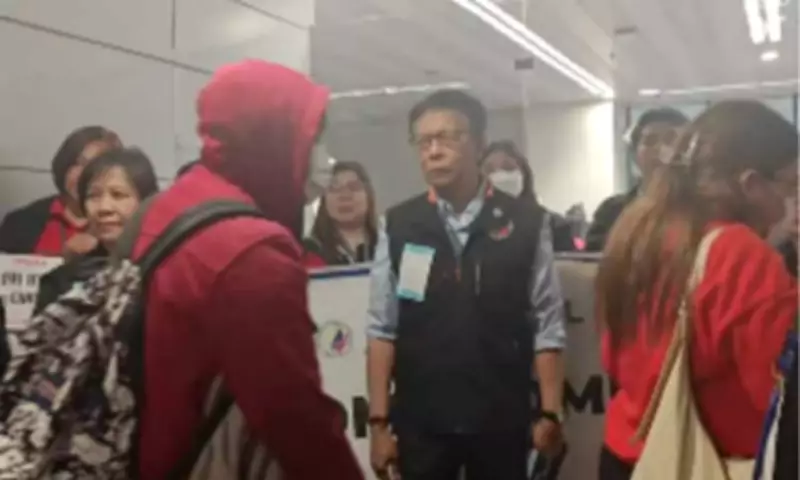
The Department of Migrant Workers (DMW) has successfully repatriated 190 overseas Filipino workers (OFWs) who were rescued from scam hub operations in Cambodia. The group arrived at Ninoy Aquino International Airport (NAIA) Terminal 1 in Pasay City on Thursday, February 5, 2026, via a chartered Philippine Airlines flight, marking a significant achievement in the government's ongoing efforts to combat human trafficking.
Whole-of-Government Approach to OFW Protection
Migrant Workers Secretary Hans Leo Cacdac emphasized that this repatriation effort was conducted under the directive of President Ferdinand Marcos Jr. to provide full protection to Filipino workers abroad. "We are here, joining forces, with a whole-of-government approach, to provide assistance to OFWs from scam hub operations and crackdowns in Cambodia," Cacdac stated during a press briefing at the airport. He highlighted the collaborative efforts across multiple agencies to ensure the safe return and recovery of the victims.
Originally, 191 individuals were scheduled for repatriation, but one OFW remained in Phnom Penh for medical treatment. DMW Assistant Secretary Venecio Legaspi explained that doctors did not clear this individual for travel due to a serious health condition. However, he assured that the Philippine Embassy in Cambodia, along with a DMW team on the ground, is closely monitoring her situation to facilitate her return once she is medically fit.

Comprehensive Support for Returning OFWs
Upon arrival in Manila, the repatriated workers received immediate assistance from various government departments:
- Medical and Psycho-social Check-ups: The Department of Health (DOH) and the Department of Social Welfare and Development (DSWD) provided health assessments, with a focus on mental wellness due to the trauma experienced by the victims.
- Temporary Shelter and Financial Aid: The OFWs were given temporary accommodation and financial assistance to help them transition back to their home provinces.
- Transportation Support: Arrangements were made for their safe travel to their respective families across the Philippines.
DOH Assistant Secretary Gloria Balboa stressed the importance of mental health support, noting, "We want to make sure they're not just healthy, but also mentally fit, because we know the trauma they've been through." This holistic approach aims to address both the physical and psychological impacts of their ordeal.
Rising Numbers and Recruitment Tactics
Secretary Cacdac revealed that this latest batch brings the total number of OFW scam victims assisted and repatriated by the government since 2022 to 877 individuals. This alarming figure underscores the persistent threat of illegal recruitment and human trafficking in the region.
Department of Justice Undersecretary Nicholas Felix Ty detailed how victims are typically lured into these scam operations: "Most of them were recruited online, then when they arrive there, they are brought directly to the scam hubs." He explained that informal channels and digital platforms are often used to deceive Filipinos seeking employment abroad, leading them into forced labor in compound-based scams.
Government Warnings Against Illegal Recruitment
In light of these incidents, Secretary Cacdac issued a stern warning to the public about the dangers of illegal recruitment. He advised job seekers to be vigilant of red flags, such as:

- Transactions conducted primarily online without proper documentation.
- Recruiters meeting in public places like restaurants instead of official offices.
- Offers that bypass the DMW's legal processes for overseas employment.
Cacdac also clarified a common misconception regarding visa-free travel within ASEAN countries: "The visa-free arrangement for ASEAN countries is only for tourists or tourism purposes. If you want to work in Cambodia, Lao PDR, Myanmar, Thailand, or any ASEAN country, you must have a work visa before leaving the country." He emphasized that scam operators often exploit this misunderstanding to traffic victims under the guise of legitimate employment.
The successful repatriation of these 190 OFWs highlights the Philippine government's commitment to safeguarding its citizens abroad, while also serving as a crucial reminder for Filipinos to exercise caution and utilize authorized channels when pursuing overseas job opportunities.