
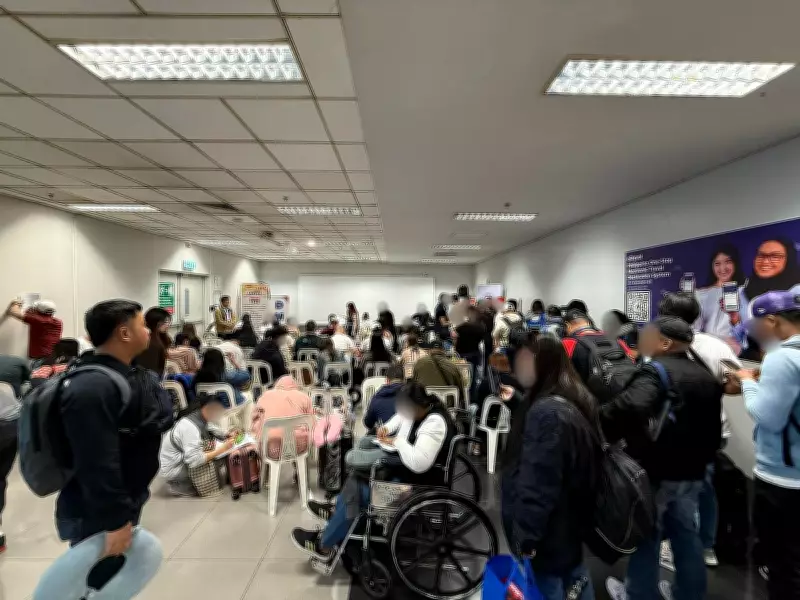
The Department of Migrant Workers (DMW) has announced the safe return of ninety overseas Filipino workers (OFWs) from the Middle East late Sunday night, marking another step in ongoing government repatriation efforts.
Arrival Details and Government Assistance
According to a press briefing, the ninety OFWs arrived at Ninoy Aquino International Airport (NAIA) Terminal 3 aboard Emirates Airline Flight EK 334 from the United Arab Emirates (UAE). Migrant Workers Secretary Hans Leo Cacdac revealed that among the returnees, thirty-three took advantage of the government's repatriation offer, while the remainder were stranded OFWs in Dubai.
The department confirmed that all ninety individuals received comprehensive assistance from their host country until their arrival in the Philippines. The government is providing pre-repatriation assistance to all returning OFWs, along with financial support as part of post-repatriation aid, Secretary Cacdac emphasized.

Escalating Repatriation Numbers
Since March 5, a total of 399 OFWs and twelve dependents have returned to the Philippines following the escalation of crisis in the Middle East that flared up on February 28. This latest group adds to the growing number of Filipinos being brought home as tensions persist.
Charter Flight Initiatives
Beyond booking commercial flight seats, Secretary Cacdac disclosed that the agency is actively working to charter flights to accelerate repatriation efforts. The DMW is currently in negotiations to charter flights specifically for OFWs who have requested to be brought home, he stated.
Cacdac explained that efforts are underway to facilitate the movement of Filipinos across borders in the eight affected Middle Eastern countries. We are now undertaking efforts to charter flights and working diligently on this matter, he affirmed.
Operational Challenges
The secretary outlined numerous challenges facing the charter flight plan, including:
- Availability of airspace
- Logistical hurdles for border crossings
- Coordination with host countries
- Navigating different host country protocols
- Security concerns such as missile and drone attacks, along with debris projectiles
For now, efforts continue to prioritize getting OFWs across borders first, Cacdac noted, highlighting the complex operational environment.
Political Context
The DMW's statement follows earlier remarks from Vice President Sara Duterte, who suggested that the National Government could easily charter flights to repatriate Filipinos affected by the conflict. The department's detailed update appears to address both the progress made and the practical difficulties involved in such operations.
As repatriation efforts continue, the government maintains its commitment to assisting overseas Filipino workers caught in the Middle East crisis, balancing urgency with the realities of international logistics and security concerns.