
DMW Confirms Filipino Worker Injured in Kuwait Airport Blast Amid Regional Tensions
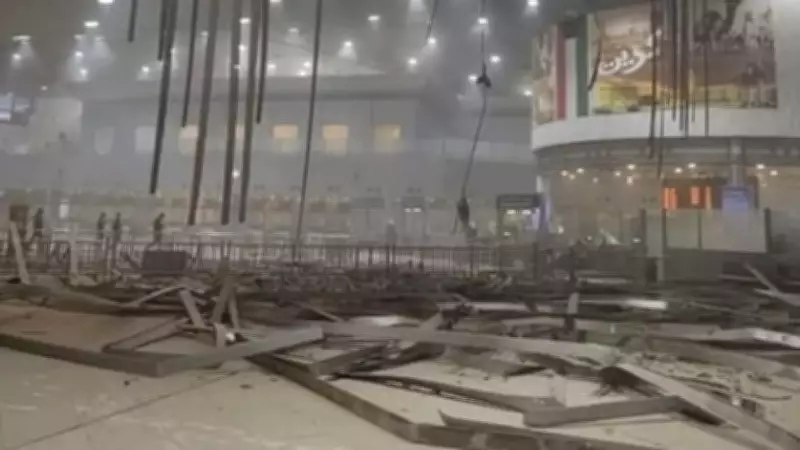
The Department of Migrant Workers (DMW) has officially confirmed that an overseas Filipino worker (OFW) was injured in an explosion at Kuwait airport, occurring amidst escalating tensions in the Middle East. This incident highlights the ongoing risks faced by Filipino workers abroad during periods of regional instability.
Details of the Incident and Injury
According to Migrant Workers Secretary Hans Leo Cacdac, the affected OFW, who was employed directly at the airport, sustained minor injuries to the neck as a result of the blast. Fortunately, the worker has since been discharged from the hospital, indicating a non-critical condition. The explosion is part of a broader context of heightened strikes and military exchanges between America and Iran, which have intensified security concerns across the region.
DMW's Response and Repatriation Measures
Secretary Cacdac emphasized that while there is no mandatory repatriation order in place at this time, the DMW continues to accept and process requests for repatriation from affected OFWs. The department is closely monitoring ground developments, including airspace closures and flight cancellations triggered by the Middle East tensions. Cacdac noted that it is not yet the appropriate moment for large-scale repatriation efforts due to these logistical challenges, which could compromise safety.

The DMW's approach involves a careful balance between ensuring the welfare of Filipino workers and navigating the complex operational hurdles posed by the volatile situation. This includes assessing real-time updates on security and travel conditions to make informed decisions regarding evacuation and support services.
Broader Implications for OFWs in the Middle East
This incident underscores the vulnerabilities of OFWs in conflict-prone areas, particularly in the Middle East where geopolitical tensions frequently flare. The DMW's proactive stance in handling repatriation requests reflects a commitment to safeguarding Filipino nationals abroad, even as it acknowledges the practical constraints of current circumstances.
As tensions persist, the department remains vigilant, urging OFWs and their families to stay informed through official channels and to report any concerns promptly. The health and safety of workers remain a top priority, with ongoing evaluations to determine if further actions, such as enhanced advisories or emergency protocols, are warranted.