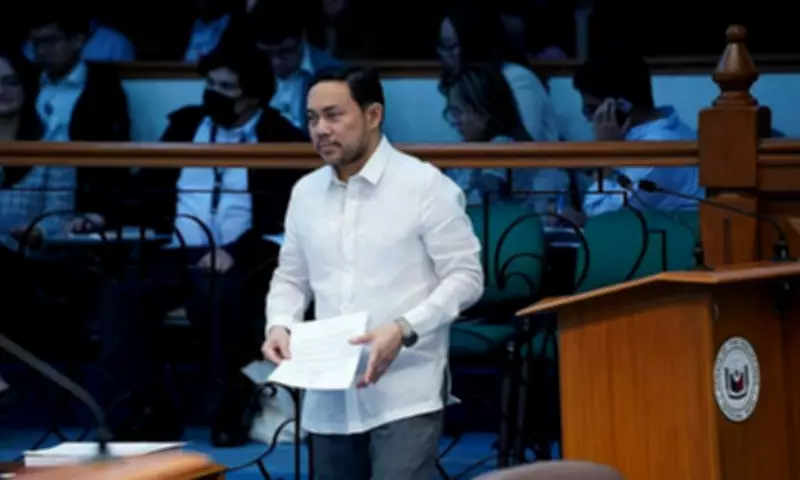
Senator Mark Villar has taken a significant step in advocating for the financial well-being of Overseas Filipino Workers (OFWs) by co-sponsoring and co-authoring the OFW Remittance Protection Act. This legislative initiative is designed to protect the hard-earned money of more than 10 million Filipinos living abroad, ensuring their contributions are safeguarded through comprehensive measures.
Key Provisions of the Act
The proposed Senate Bill No. 1917, also known as the Overseas Filipino Workers Remittance Protection Act, focuses on institutionalizing financial security for OFWs. It aims to regulate remittance fees, enhance transparency in exchange rates, and provide mandatory financial literacy programs for OFWs and their families. These steps are crucial in preventing financial scams and promoting sound financial decisions.
Economic Impact of OFW Remittances
In his speech, Senator Villar emphasized the indispensable role of OFWs in the Philippine economy. In 2025 alone, remittances reached a record high of $35.63 billion USD, accounting for approximately 7.3% of the country's Gross Domestic Product (GDP). This substantial contribution underscores the need for robust protection mechanisms to secure these funds.

Villar stressed, "Considering this essential economic contribution of OFWs, it is imperative that we guarantee the protection of their hard-earned money, which in turn ensures their financial security." He added in Filipino, "Through these programs, we can ensure that OFWs are protected from various financial scams and avoid unsound financial decisions that could waste their hard work."
Call for Swift Passage
The Senator has called for the rapid enactment of this measure, arguing that the vital contributions of OFWs to national development deserve institutional protection. "It is only right and just that we institutionalize the protection of OFWs and their remittances, which have been keeping the gears of our national development agenda running," Villar underscored. The act aims to provide consumer safeguards and enhance transparency in foreign exchange, further solidifying financial security for millions of families.