Death Toll Climbs to 52 in Basilan Ferry Tragedy as Government Takes Action
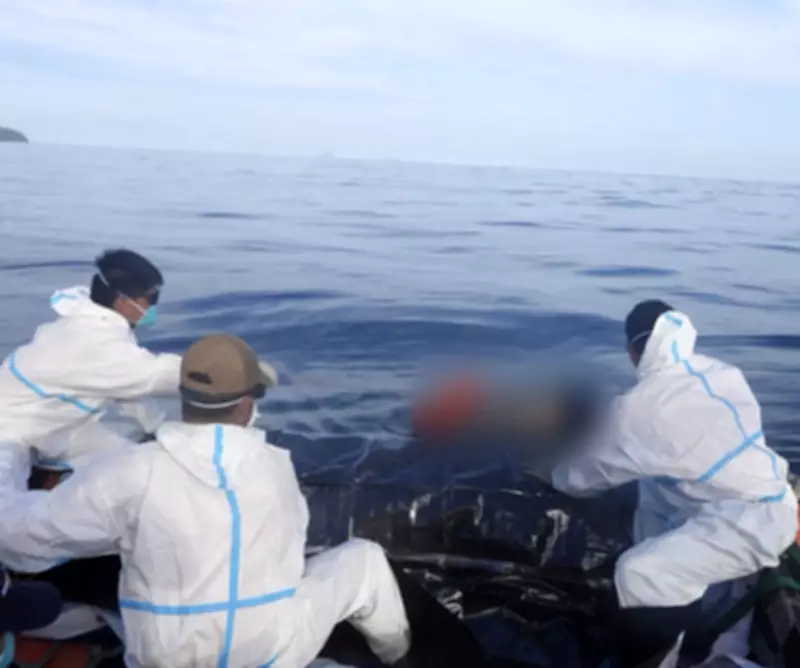
The number of fatalities in the January 26 sinking of MV Trisha Kerstin 3 has increased to 52 after another body was recovered during ongoing search and rescue operations near Baluk-Baluk Island in Hadji Muhtamad, Basilan province, on February 11, 2026. This marks one of the deadliest maritime disasters in the Philippines in recent years, prompting significant government response and accountability measures.
Government Orders Administrative Proceedings Against Shipping Company
On February 11, 2026, the Department of Transportation directed the Maritime Industry Authority to begin administrative proceedings against Aleson Shipping Lines, the operator of the ill-fated vessel. Acting Transportation Secretary Giovanni Lopez announced this directive during a joint press briefing with Marina administrator Sonia Malaluan and Philippine Coast Guard Commandant Admiral Ronnie Gil Gavan.
"Marina has been instructed to file administrative cases against Aleson Shipping Lines to determine whether its Certificate of Public Convenience should be revoked or its operations suspended," Lopez stated. He emphasized that authorities have suspended the seaman's identification documents of crew members, who now face administrative charges as part of the investigation.

Investigation Points to Possible Overloading and Safety Violations
Initial findings from the 15-day joint investigation conducted by Marina and the Philippine Coast Guard suggest possible overloading as a contributing factor to the tragedy. Investigators are examining whether the ship carried passengers and cargo beyond allowable limits, with particular attention to rolling cargo that can shift at sea and destabilize roll-on/roll-off vessels.
Authorities are also checking for discrepancies between the official passenger manifest and the actual number of people onboard, along with compliance with pre-departure inspection rules. The vessel had departed Zamboanga City late on January 25 bound for Jolo, Sulu, before capsizing hours later under what were initially described as relatively calm sea conditions.
Personnel Relieved and Criminal Liability Under Review
In addition to actions against the shipping company, government officials have taken measures against regulatory personnel. Six Philippine Coast Guard officers and eight Marina employees involved in inspection and oversight procedures related to the vessel's departure have been relieved from their duties. Some now face administrative complaints as investigators examine whether enforcement lapses contributed to the disaster.
The Department of Transportation is also studying possible criminal liability, with its legal team assessing whether evidence supports charges against company executives, crew members, or other parties involved in the vessel's operations. This comprehensive approach reflects the government's determination to address systemic issues in maritime safety.
Rescue Operations and Presidential Response
Search and retrieval operations have concluded after days of recovery efforts near Baluk-Baluk Island. While 52 people lost their lives in the sinking, approximately 316 passengers and crew survived. Rescue teams pulled many from the water shortly after the vessel capsized, with divers later conducting systematic operations to recover victims and secure the wreckage.
In response to the tragedy, President Ferdinand Marcos Jr. ordered intensified safety audits of domestic passenger vessels and temporarily grounded Aleson Shipping Lines' fleet pending further review. Other operators have stepped in to service affected routes to prevent prolonged travel disruptions in the region.
Support for Survivors and Ongoing Identification Efforts
Government agencies, including the Department of Social Welfare and Development, have provided financial assistance to survivors and bereaved families. Forensic teams continue their efforts to identify the remaining victims, ensuring proper closure for affected families. The tragedy has highlighted critical gaps in maritime safety enforcement and prompted calls for stronger regulatory oversight to prevent similar incidents in the future.