ICC Reaffirms Independent Funding and Operations Amid Philippine Investigation Controversy
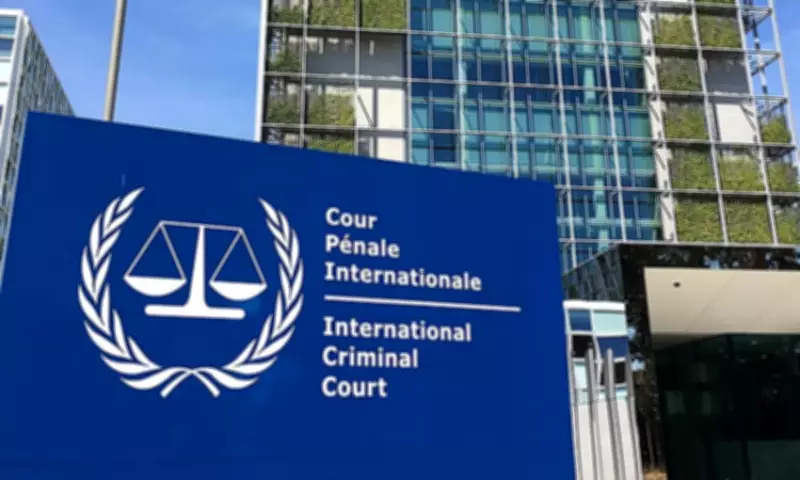
The International Criminal Court (ICC) issued a definitive statement on Thursday, February 26, 2026, clarifying that the activities and investigations conducted by its Office of the Prosecutor (OTP) are fully funded by the tribunal's own budget. This announcement comes in response to escalating claims from former Philippine military personnel regarding financial transactions linked to the ICC's probe into alleged crimes against humanity during the country's drug war.
ICC Emphasizes Financial Independence and Transparency
In its detailed statement, the ICC emphasized that the OTP operates with complete financial autonomy. "The costs related to OTP prosecutions and investigations activities, including missions' expenses, are fully covered by this budget managed strictly by the Office in an independent and transparent manner, and in accordance with ICC financial rules and regulations," the tribunal declared. This clarification aims to dispel any notions of external influence or improper funding sources affecting the integrity of its investigations.
Allegations from Former Philippine Marine Corps Personnel
The ICC's statement follows explosive allegations from 18 former members of the Philippine Marine Corps, who served as security personnel for resigned Ako-Bicol partylist representative Zaldy Co. These individuals claim they delivered $2 million to former senator Sonny Trillanes in 2023 to cover expenses for ICC investigators in the Philippines, including food, transportation, and accommodation. Lawyer Levito Baligod submitted their affidavits to the Office of the Ombudsman on the same day, amplifying the controversy.

Investigation Context and Political Repercussions
The ICC is currently investigating alleged crimes against humanity in the Philippines during the implementation of former President Rodrigo Duterte's controversial drug war. Baligod previously asserted that, based on the testimonies of the former marine soldiers, the ICC only interviewed witnesses provided by Trillanes, a staunch critic of Duterte and his policies. This has fueled political tensions and raised questions about the impartiality of the investigation.
Denials and Legal Threats
Sonny Trillanes has vehemently denied all accusations, labeling them as "malicious" and announcing plans to file cyberlibel charges against those involved, including Baligod and the 18 ex-marines. His response adds a layer of legal complexity to the ongoing dispute, potentially leading to protracted court battles that could intersect with the ICC's broader inquiry.
ICC's Commitment to Procedural Rigor
Reiterating its commitment to due process, the ICC stated, "The Office independently collects the information relevant to its investigations, identifies the individuals from whom it collects witness statements, and assesses the credibility, reliability, and relevance of all sources of information it requests and receives, and examines incriminating and exonerating evidence equally." The tribunal further noted that the disclosure of information in its cases is strictly regulated by the ICC legal framework and under the control of independent ICC judges, ensuring a fair and unbiased judicial process.
This development underscores the high-stakes nature of the ICC's investigation into the Philippine drug war, with financial and operational independence becoming central points of contention. As allegations and denials continue to unfold, the international community watches closely, awaiting further clarity on the probe's integrity and outcomes.