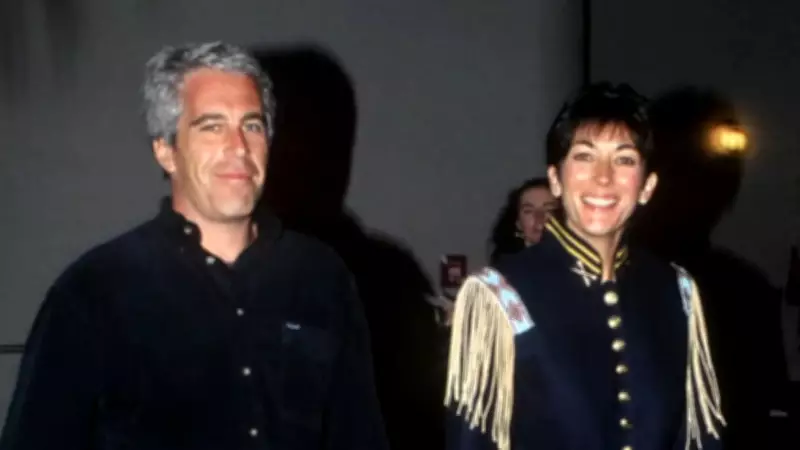
In a significant development, Ghislaine Maxwell, the convicted associate of the late sex offender Jeffrey Epstein, has declined to respond to inquiries from the US House Oversight Committee. During a recorded deposition from a Texas prison, Maxwell repeatedly invoked her Fifth Amendment right against self-incrimination, stating, "I invoke my Fifth Amendment right to silence." This move underscores the ongoing legal complexities surrounding the Epstein scandal.
Maxwell's Legal Stand and Clemency Offer
Maxwell, 64, is currently serving a 20-year sentence for her role in sex trafficking crimes linked to Jeffrey Epstein. She remains the only individual convicted in connection with Epstein's offenses, following his death in a New York jail in 2019 while awaiting trial. According to her attorney, David Markus, Maxwell is prepared to speak out and cooperate with authorities if she is granted clemency by former US President Donald Trump. This potential deal highlights the political and legal maneuvering at play, as Trump was once a close friend of Epstein but has not been subpoenaed by the Republican-led committee.
Release of Epstein Documents and Congressional Concerns
Millions of documents have been released by the US Department of Justice under the Epstein Files Transparency Act (EFTA), which restricts redactions based on embarrassment, reputational harm, or political sensitivity, except to protect victims' identities. However, some members of Congress have raised concerns that redacted names in these documents include prominent figures possibly involved in the crimes. Notably, businessman Les Wexner, billionaire owner of Victoria's Secret, has been identified as a co-conspirator in the records.

Political Implications and Subpoenas
The US House Oversight Committee has issued subpoenas to former President Bill Clinton and his wife, former Secretary of State Hillary Clinton, seeking explanations about their connections to Epstein. In response, the Clintons have requested that their testimonies be made public to avoid politicization by Republicans. This situation adds to the broader political tensions, as the committee's actions continue to scrutinize high-profile individuals while leaving others, like Trump, unsummoned.
The case remains a focal point in discussions about justice, accountability, and the influence of powerful figures in high-stakes legal battles.