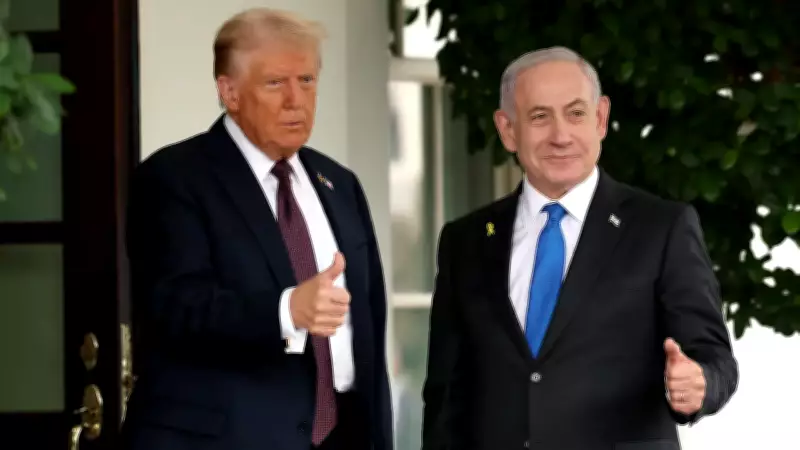
Trump and Netanyahu Engage in Extended White House Dialogue on Critical Middle East Issues
US President Donald Trump and Israeli Prime Minister Benjamin Netanyahu convened for a significant meeting that lasted more than three hours at the White House. This high-level discussion centered on advancing several ceasefire agreements in Gaza and addressing Iran's nuclear ambitions, marking a pivotal moment in US-Israeli relations.
Focus on Gaza Ceasefire and Iran's Nuclear Plans
During the summit, Netanyahu presented detailed plans concerning Iran, emphasizing the urgency of the situation. President Trump indicated that he is prioritizing positive outcomes from the upcoming talks between US representatives and Iran. This stance comes in response to Iran's initial refusal to halt its nuclear weapons development, which previously led to military actions against the country.
The meeting underscored the ongoing diplomatic efforts to stabilize the region, with both leaders exploring strategies to mitigate conflicts and promote peace. The discussions also touched on broader security concerns, highlighting the complex geopolitical landscape in the Middle East.

Historical Context and Future Implications
This gathering represents the sixth dialogue between Trump and Netanyahu since the US president began his second term in office. The frequency of these meetings reflects the strong alliance between the United States and Israel, as well as the shared commitment to addressing mutual security threats.
Analysts suggest that the extended duration of this summit signals the depth of the issues at hand, from humanitarian crises in Gaza to nuclear proliferation risks. The outcomes of these talks could have far-reaching implications for international diplomacy and regional stability.
As both nations navigate these challenges, the collaboration between Trump and Netanyahu continues to shape foreign policy decisions, with potential impacts on global peace efforts and economic relations in the volatile Middle East region.