House Impeachment Vote Analysis: Will 2026 Attempt Mirror 2025 Success?
In 2025, a significant majority of 215 members of the House of Representatives voted to impeach Vice President Sara Duterte, surpassing the constitutional threshold required to transmit the Articles of Impeachment to the Senate for trial. This decisive action raises a critical question for the current political landscape: will the ongoing impeachment attempt achieve similar success, or will shifting dynamics alter the outcome?
The 2025 Vote: Timing and Political Pressures
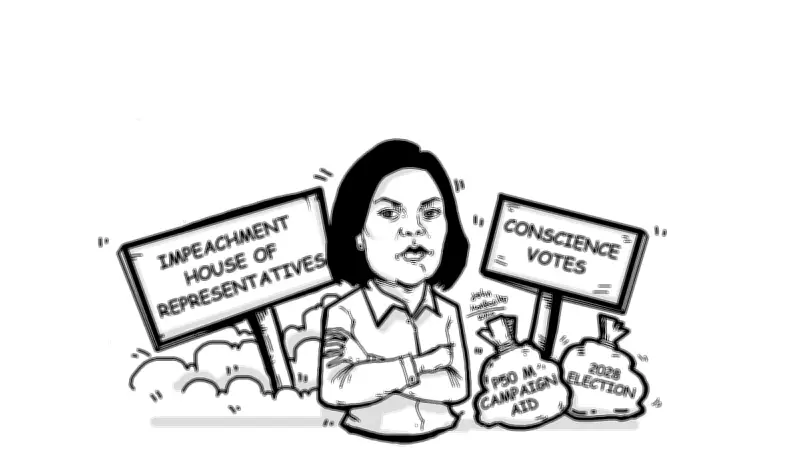
It is crucial to note that Congress voted on the 2025 impeachment complaint just months before the midterm elections. At that time, many representatives were seeking re-election, making them potentially vulnerable to persuasion or pressure from influential quarters. Widespread rumors suggested that each cooperative House member received at least P50 million in campaign assistance, though these allegations remain unconfirmed. If true, this would indicate substantial resources were deployed to secure votes.
Alternatively, it is possible that the rumored financial incentives were fabricated and that the 215 representatives voted based solely on their conscience and constitutional duty. This leads to another pressing inquiry: what does their conscience dictate now? Are these lawmakers still morally convinced that Duterte violated the Constitution and must be removed from office?

Constitutional Requirements and Current Political Shifts
Under the Philippine Constitution, transmitting impeachment articles to the Senate requires approval from at least one-third of the House membership, approximately 106 votes. However, cracks have begun to emerge within the original pro-impeachment bloc. The clearest indication of this shift is the National Unity Party's announcement that they will support impeachment only if presented with stronger evidence.
This demand for more robust proof is particularly noteworthy because the current impeachment complaint, while not an exact rehash, makes substantially similar allegations to the 2025 version that received their support. Why the sudden insistence on stronger evidence now? This change in stance suggests evolving political calculations and potential wavering commitment among some representatives.
Changing Allegiances and Electoral Threats
The Duterte camp hopes that enough representatives will change their minds to derail the impeachment process. They should be cautioned, however, that attempting to influence votes by threatening certain defeat in the 2028 elections for those who supported impeachment last year is not a legitimate strategy. Recently, an obscure group issued precisely such threats here, highlighting the tense political climate.
Examining individual voting records reveals interesting patterns. Representatives who voted to impeach in 2025 include Eduardo Rama, Cynthia Chan, Lolypop Ouano-Dizon, Rhea Gullas, Edcel Galeos, Janice Salimbangon, Duke Frasco, Daphne Lagon, and Peter John Calderon. Those who voted against were Pablo John Garcia and Cutie Del Mar. Since then, Chan has been replaced by her husband Ahong, Garcia by his wife Karen, and Salimbangon lost to Sun Shimura.
How will these changes and the electoral threats affect the current impeachment proceedings? The political theater continues as observers watch whether representatives will stand firm or show signs of hesitation under pressure.