UP Psychologist Warns Against Romanticizing Filipino Resilience
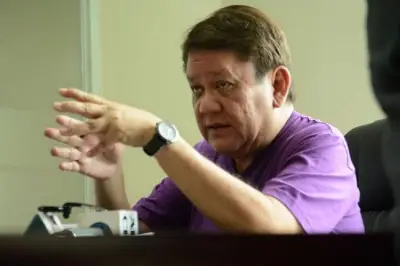
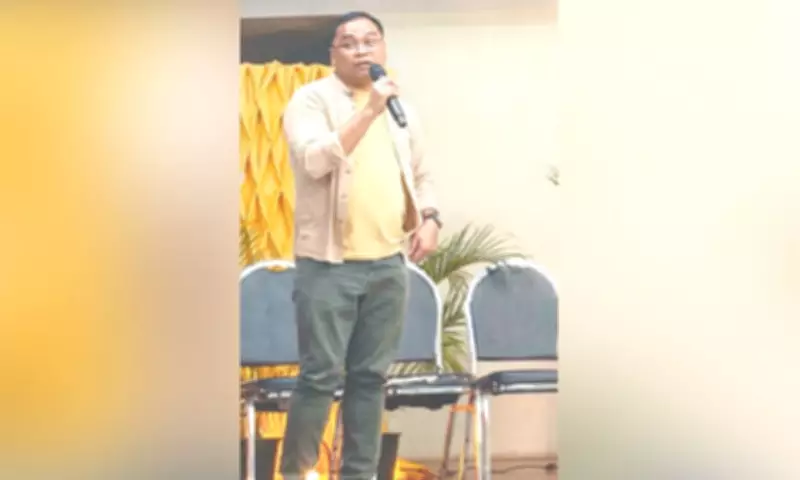
Psychologist Johnrev Guilaran, a professor at the University of the Philippines Visayas, spoke during a forum on disaster communication on Thursday, May 7, 2026, urging journalists and public officials to stop romanticizing Filipino resilience or using it to excuse poor disaster preparedness, weak infrastructure, and governance failures.
Guilaran emphasized during his talk “The Psychological Dimension of Disaster Communication” that disasters are potentially traumatic rather than automatically so. He explained that psychological responses are heavily shaped by how information is communicated.
Beyond Filipino Resilience
Guilaran criticized the common media portrayal of resilience as merely “getting used to.” He said what is often portrayed by the media and politicians as “resilience” may simply reflect how communities have become accustomed to recurring disasters, a concept he associated with the Filipino term “sanayan.” He argued that this narrative can shield the National Government and local units from accountability.

He clarified that resilience itself is not negative and should still be encouraged, but stressed that it should never be used to justify incompetence or failures in disaster preparedness and governance. “Now, is resilience bad? No. In fact, we should promote resilience. We should aim to be resilient. But it should not be an excuse for incompetence,” Guilaran said.
Citing data from 2024, Guilaran said the Philippines remains at the top of global disaster risk lists due to the interaction of high hazard exposure and insufficient coping capacity. He urged officials to perform their duties to ensure low hazard exposure and high capacity rather than relying on the endurance of the public.
Veteran journalist Nini Cabaero, a survivor of typhoon Tino on November 4, 2025, echoed this sentiment. She noted that while resilience is not inherently bad, it becomes problematic when used as a cover for government failure. Cabaero advocated for “resilience reporting,” which focuses on how communities organize and demand answers.
Language and Accountability
Guilaran called for a significant shift in journalism, urging the media to stop using the term “natural disaster.” He argued that language reflects and changes worldviews, and labeling disasters as “natural” removes the element of human responsibility. “Disasters are always a product of sociopolitical factors. Earthquakes don’t kill; it’s the collapse of the substandard building that does,” Guilaran said. By removing the word “natural,” the focus shifts to human choices and preventable risks.
He also warned against “gloom and doom” reporting and “warning fatigue,” noting that sensationalist or excessive warnings can desensitize the public or lead to hopelessness. Effective communication, he said, should promote a sense of calm and safety rather than fear-mongering.
Survivor vs. Victim
Guilaran highlighted the insensitivity of using the term “disaster victims,” advocating instead for “disaster survivors.” He explained that for those in the mental health profession, the term “victim” is problematic because it highlights helplessness and strips individuals of their power. “Survivor highlights the person’s agency and their coping capacity as individuals and as communities,” Guilaran said. He noted that people are not passive reactors to hazards but active copers who have the agency to help themselves and others.
Cabaero shared her personal experience as a survivor in Villa Del Rio in Barangay Bacayan, Cebu City, to illustrate this. Despite losing 90 percent of her belongings and nearly drowning, she transformed her experience into a call for action. “When you become a disaster survivor yourself, the story changes. You no longer see disaster only through government proclamations or statistics. You feel it in your body,” Cabaero said.
Media Ethics and Imagery
Guilaran also touched upon the ethics of visual reporting, urging disaster communicators to be judicious and practice restraint when showing distressing images. While images are powerful, he said journalists must ask if a photo is necessary or if it merely serves to distress an entire population.

He further advised the media to avoid reporting on “panic buying” as an uncontrollable, irrational act. Instead, he suggested framing it as people preparing for a typhoon. “The way that we label things and the way that we package them influences people’s emotions and behaviors towards the upcoming event,” he said. He added that media outlets should always couple news of a hazard with prescribed actions, such as hotline numbers or safety steps, to provide people with the capacity to cope.
Survivor’s Testimony
Cabaero, who recounted surviving the floods brought by typhoon Tino, said floodwaters rapidly entered their home before dawn, forcing residents to climb rooftops to survive. “One of the cars there was mine,” she said, referring to viral images showing piles of vehicles swept away by floodwaters. She recalled nearly drowning after strong currents swept her underwater while escaping. “I could feel the current pushing me under the cars,” she said.
Cabaero later urged journalists to pursue “resilience reporting,” which examines not only how communities survive disasters but also the systemic failures that worsen them. “The heart of resilience reporting is to tell the truth about suffering, to recognize the strength of communities and to insist that resilience should never become an excuse for government failure,” she said.