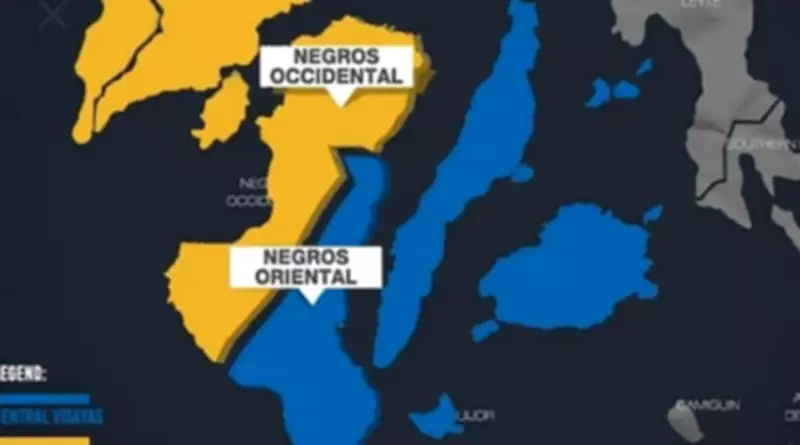
RJ Nichole Ledesma, a 30-year-old editor and poet, and student scholar-leader Alyssa Alano were among the 19 fatalities in a series of military encounters with suspected members of communist rebels in Barangay Salamanca, Toboso town, Negros Occidental. Their identities were confirmed on April 22 following clashes with remnants of the dismantled Northern Negros Front of the New People's Army.
Contradicting Reports
Several rights and student organizations disputed the reports that the two fatalities were members of the suspected communist group operating in the Negros Island Region. Altermidya, a national network of independent and progressive media outfits, stated on April 22 that Ledesma was killed in a supposed military encounter while doing community work and immersion reporting on the effects of renewable energy projects, including solar farm expansion and windmill projects, on vulnerable farmer communities. Human Rights Advocates Negros added that Ledesma was not at the initial clash site in Sitio Sinugmawan but was instead attacked in a separate peasant community in Sitio Plariding during an ensuing military pursuit operation.
Ledesma's Background
Ledesma served as regional coordinator of Altermidya in Negros Island and was known as a community journalist. He was editor-in-chief of Spectrum, the student publication of the University of St. La Salle–Bacolod, where he completed a Psychology course.

Alano's Death Condemned
The University of the Philippines Diliman University Student Council condemned the death of Student Councilor Alano, calling her an innocent civilian. Alano, who was the Education and Research councilor, lived and learned among farmer communities in Negros to understand their situation amid land grabbing, exploitation, and militarization. The council described her as an excellent, diligent, loving, and noble student leader and a true child of the nation.
Risks Facing Mediamen and Activists
The National Union of Journalists of the Philippines emphasized that Ledesma was a journalist who had taken up his duty even as a student. His death, along with Alano's and others, illustrates the risks community journalists, activists, and rights defenders face in conflict-prone areas. Another community journalist, speaking anonymously, expressed extreme anger and heartbreak, commending Ledesma's sincere service to the masses.
Army's Response
Army Spokesperson Col. Louie Dema-ala addressed the claims circulating on social media, stating that those killed were merely researchers, journalists, student leaders, and social workers, and that the Philippine Army violated human rights and International Humanitarian Law. He questioned why they were at the encounter site, armed, and exchanging fire with soldiers, emphasizing that the presence of firearms and active participation in armed confrontation raises serious doubts about the narrative being pushed online. He affirmed the troops' steadfast commitment to their mission.
Bishop's Reflection
San Carlos Bishop Gerardo Alminaza reflected that when young people take up arms or are drawn into movements, one must ask what conditions made that path seem meaningful or necessary. He noted that violence does not arise in a vacuum but takes root where wounds have been left unattended—where poverty persists, injustice is endured, trust between people and institutions is broken, and hope in peaceful change has faded.