Sulu Reservists Strengthen Disaster Preparedness Through Intensive Training Initiative
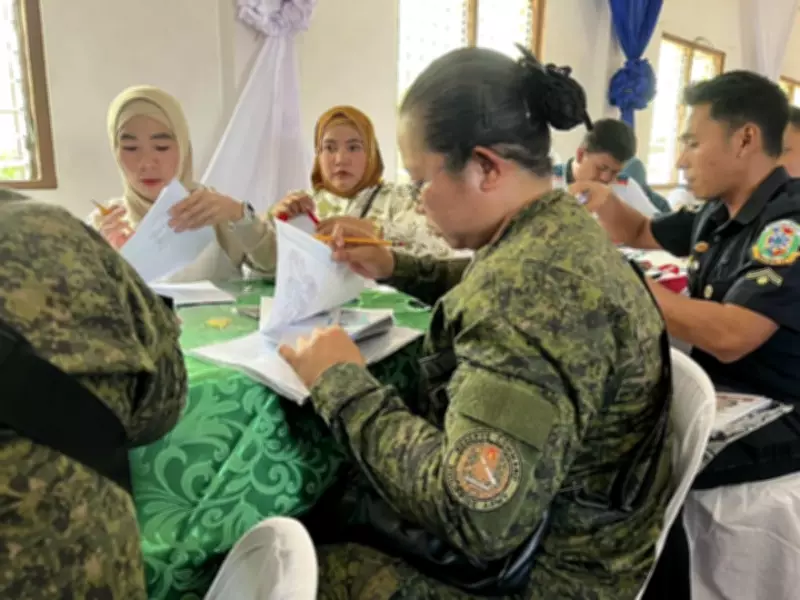
In a significant move to bolster community resilience, reservists from the 906th Community Defense Center (CDC) actively participated in a comprehensive four-day Disaster Risk Reduction and Management (DRRM) and Incident Command System (ICS) training program. This initiative was spearheaded by the 1103rd Infantry Brigade (1103Bde) for the municipal government of Parang, Sulu, bringing together a diverse group of stakeholders to enhance emergency response capabilities.
Structured Training Program Enhances Operational Readiness
The training activity was meticulously structured, comprising a one-day DRRM Orientation Course followed by an intensive three-day ICS Level 1 Training. Participants included personnel from the Parang municipal government, various security forces, disaster response offices, and notably, the reservists of Sulu. Throughout the program, attendees engaged in a series of lectures, hands-on workshops, and realistic simulation exercises designed to improve their operational readiness and foster seamless inter-agency coordination.
The 1103Bde emphasized the critical role of reservists in these exercises, stating, "The reservists play an active role in these exercises, demonstrating their capability to support Incident Command System structures and reinforcing the concept of a unified and systematic disaster response." This hands-on involvement underscores their practical skills in managing crises effectively.

Reservists Serve as Vital Force Multipliers in Vulnerable Regions
In a statement released on Wednesday, April 22, the 1103Bde highlighted the indispensable contribution of the 906th CDC reservists. "The active involvement of the 906th CDC reservists underscores their vital role as force multipliers and frontliners in times of emergencies and disasters," the brigade noted. They further added, "Their participation highlights the growing importance of reservists in community-based disaster response, particularly in geographically vulnerable areas such as Sulu."
Equipped with a unique blend of military discipline and deep local familiarity, these reservists act as a crucial bridge between the armed forces and civilian communities. This dual expertise enables faster, more coordinated, and culturally attuned emergency response efforts, which are essential for effective disaster management in challenging environments.
Building Safer Communities Through Enhanced Partnerships
The successful execution of this training program underscores the significant value of integrating reservists into disaster risk reduction strategies. According to the 1103Bde, the participation of reservists not only enhances community resilience but also ensures the continuity of response operations during crises. It reinforces the vital partnership between the military, local government units, and disaster management agencies, collectively working towards building safer and more prepared communities.
The brigade concluded, "The successful conduct of the training highlights the critical value of integrating reservists into disaster risk reduction efforts." This initiative marks a proactive step in strengthening Sulu's capacity to handle emergencies, leveraging the skills and dedication of reservists to safeguard vulnerable populations and improve overall disaster response frameworks.