Senate Committee Advances Anti-Political Dynasty Bill with Broad Support
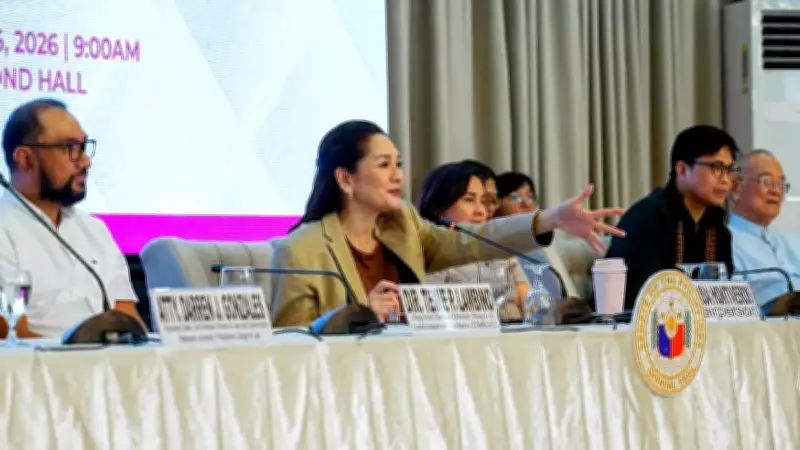
In a significant move toward political reform, the Senate Committee on Electoral Reforms and People’s Participation has approved the anti-political dynasty bill, with twelve senators signing the committee report. Senate Deputy Majority Leader Risa Hontiveros, who chairs the committee, announced this development on Tuesday, February 24, 2026.
Key Provisions of the Proposed Legislation
The committee has agreed to push a version of the measure that would prohibit political dynasties up to the second degree of consanguinity and affinity. Under the proposed bill, immediate family members—including a father, mother, sibling, spouse, or child—would be barred from running for public office if another family member is already seeking or holding an elective position.
Hontiveros expressed optimism about the bill's passage, stating in an interview, "We are hopeful that we will be able to pass the measure into law by the end of March." She noted that the bill is included in the priority legislative agenda of the Legislative-Executive Development Advisory Council (LEDAC), and she hopes the President will certify it as urgent.

List of Signatories and Committee Adjustments
The senators who signed the committee report, aside from Hontiveros, are Erwin Tulfo, JV Ejercito, Kiko Pangilinan, Ping Lacson, Loren Legarda, Sherwin Gatchalian, Robin Padilla, Imee Marcos, Migz Zubiri, Bam Aquino, and Lito Lapid. While Hontiveros' original proposal sought to ban political dynasties up to the fourth degree of consanguinity, she indicated openness to adjustments during interpellations.
The Senate version separates national and local positions, meaning relatives may run for national and local posts simultaneously. However, party-list positions would be prohibited if a political dynasty already holds a national or local office. The measure also bars the simultaneous and successive holding of positions by family members.
Enforcement Mechanisms and Implementation Timeline
The bill introduces a "right of first refusal" mechanism, requiring families to determine internally who among them may seek office. In cases of disagreement, the Commission on Elections (Comelec) would be authorized to intervene. The proposed law grants Comelec enforcement powers to effectively implement the ban.
Hontiveros emphasized, "It's a first step. And if the Comelec implements this fully and well, it will start in 2028," adding that implementation would begin in the next election cycle.
Expanded Coverage and Inclusivity
The proposed measure also includes illegitimate children or those born outside of marriage within the second degree of consanguinity. Couples who are cohabiting—regardless of civil status or sexual orientation, gender identity, expression, and sex characteristics (SOGIESC)—would also fall under the prohibition.
Hontiveros stressed, "Regardless of their civil status and regardless of their SOGIESC, they should be covered by the ban." This expansion ensures the bill addresses modern family structures and promotes fairness in electoral processes.