Philippines Initiates Diplomatic Talks with Iran to Secure Maritime Routes
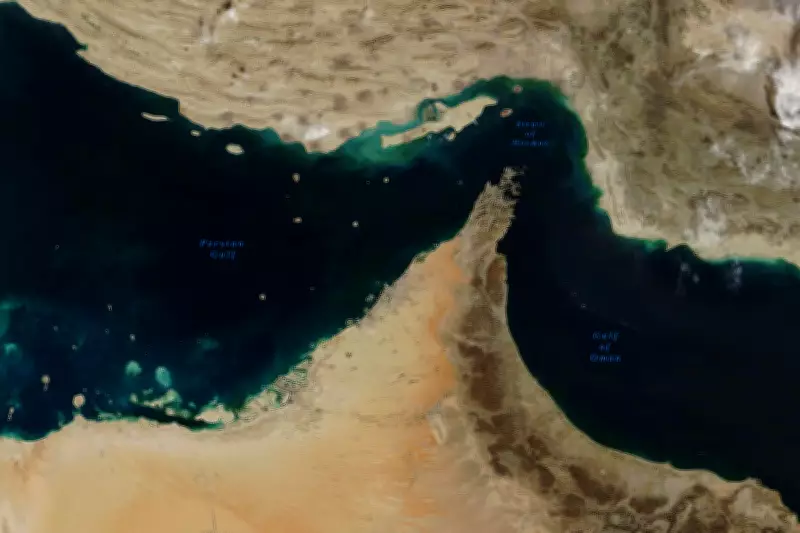
In a decisive move to safeguard national interests, President Ferdinand Marcos Jr. has issued a directive to the Department of Foreign Affairs (DFA) to engage in discussions with Iran. The primary objective is to ensure the safe passage of ships carrying essential supplies to the Philippines, particularly through the volatile Strait of Hormuz.
High-Level Engagement Ordered Amid Rising Tensions
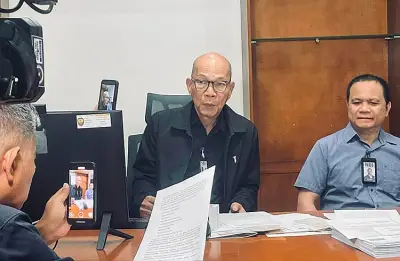
According to Palace Press Officer Undersecretary Claire Castro, President Marcos has tasked DFA Secretary Theresa Lazaro with initiating contact with Iran's ambassador. This high-level diplomatic effort is expected to take place within the coming week or the next, underscoring the urgency of the situation. The move comes in response to a call from Senator Sherwin Gatchalian, who urged the executive branch to conduct discussions to guarantee 'safe passage' for maritime vessels in the region.
Critical Chokepoint for Global Trade
The Strait of Hormuz is a strategically vital maritime corridor, serving as a key transit route for oil tankers and various cargo ships. Any disruption in this area could have severe repercussions for global energy supplies and commodity flows. By pursuing this dialogue, the Philippines aims to prevent potential disruptions to its energy and goods supply chains, which are crucial for maintaining economic stability amidst ongoing conflicts in the Middle East.

Strengthening Bilateral Relations
The Palace has emphasized that the Philippines and Iran maintain positive bilateral relations, which could facilitate productive negotiations. This diplomatic initiative highlights the government's proactive approach to addressing external threats to national security and economic well-being. Ensuring unimpeded maritime access is not only about securing supplies but also about reinforcing international cooperation in times of geopolitical uncertainty.
As tensions persist in the Middle East, this engagement represents a critical step in mitigating risks and protecting Philippine interests on the global stage.