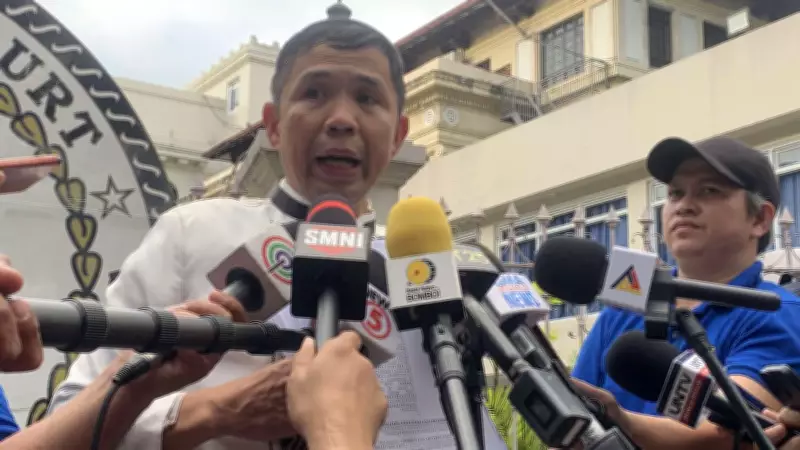
Quiboloy's Legal Counsel Submits Rejoinder Affidavit to Department of Justice
Attorney Israelito Torreon, representing Pastor Apollo Quiboloy, has formally submitted a rejoinder affidavit to the Department of Justice (DOJ). This legal document addresses an obstruction of justice complaint initially filed by the Philippine National Police (PNP) against Quiboloy. The submission marks a critical development in the ongoing legal proceedings, as Torreon responds to new issues raised by the complainant in this high-profile case.
Background of the Obstruction of Justice Complaint
The complaint stems from events surrounding the service of an arrest warrant against Quiboloy within the compound of the Kingdom of Jesus Christ (KOJC). The PNP Criminal Investigation and Detection Group in Region 11, under the leadership of former PNP chief Nicolas Torre III, executed the warrant. This incident has sparked significant legal debate, with Torreon's latest affidavit aiming to clarify his client's position and challenge the allegations.
Legal Arguments Presented in the Affidavit
In his rejoinder affidavit, Attorney Torreon cites Section 11, Rule 113 of the Rules of Court to support his arguments. He emphasizes that a warrant of arrest must specify the exact address of the building to be entered and insists on the necessity of probable cause for such actions. Torreon has declined to provide further details on the affidavit's contents, maintaining a strategic legal stance. This move follows his previous submission of a counter-affidavit last month, where he defended his actions as Quiboloy's legal counsel and argued against the obstruction of justice charges.

Implications and Next Steps
The submission of the rejoinder affidavit could influence the DOJ's review of the case, potentially impacting the outcome of the obstruction of justice complaint. Legal experts note that such documents are pivotal in shaping judicial decisions, as they allow defendants to rebut new claims. As the case progresses, stakeholders await further developments, including possible hearings or rulings from the DOJ. This legal battle highlights the complexities of high-profile defense strategies and the rigorous standards required in Philippine judicial processes.