
Cebu Province Reviews Controversial P1.2 Billion Tax Cut for Mining Company
Cebu, Philippines – The Provincial Board (PB) of Cebu is currently examining a proposal to significantly lower a tax assessment for Apo Land and Quarry Corp., sparking intense debate over equity and legal implications. The plan would reduce the company's original tax bill of P1.2 billion to just P211.56 million, a move that has raised alarms about fairness to regular taxpayers and potential precedents for other large-scale mining operations.
Fairness Concerns and Legal Oversight
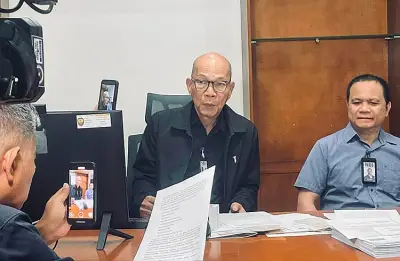
Vice Governor Glenn Anthony Soco emphasized the need for careful consideration before proceeding with the tax reduction. In a statement on Friday, March 6, 2026, he questioned the appropriateness of the deal, highlighting that local tax regulations must protect all citizens equally. "What does it mean to the ordinary taxpayers of the province?" Soco asked, stressing that the board should first determine if the agreement is suitable before discussing financial details.
The tax decrease stems from the province's decision to remove certain extraction taxes, following a Supreme Court ruling that such taxes only apply to materials extracted from public land. However, this adjustment has led to concerns about revenue loss and the integrity of the tax system.

Warnings and Legal Precedents
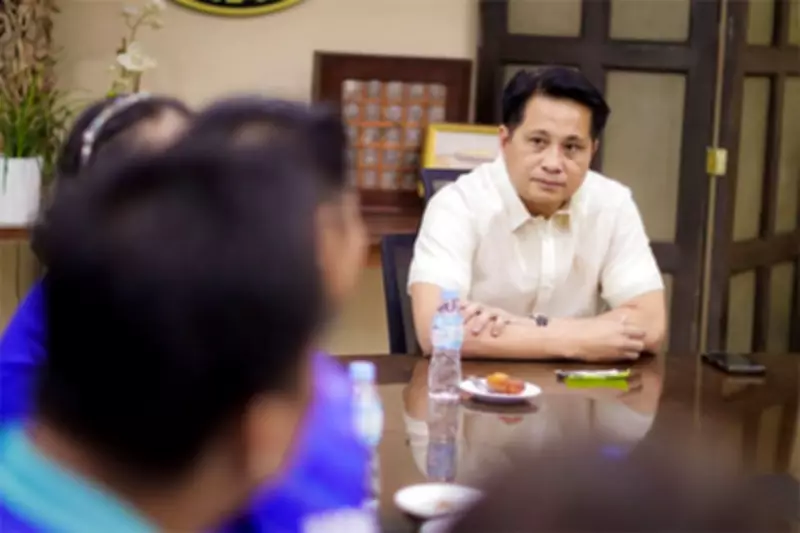
Board Member Celestino Martinez III issued a caution against public statements that might undermine the province's legal position. He argued that suggesting the province is losing the case could weaken its stance, making it appear compelled to accept the reduced amount. Martinez also questioned the methodology behind calculating the new tax figure and expressed worry that other mining companies with pending petitions are closely monitoring the outcome.
"If any agreement is reached, this may set a precedent that could significantly affect similar cases involving the Province in the future," Martinez warned, underscoring the broader implications for the region's mining industry.
Committee Review and Legislative Oversight
To address these issues, two committees are conducting a joint hearing to review the proposal thoroughly. PB Member Nelson Mondigo leads the committee on laws, while PB Member Michael Villamor oversees the committee on ways and means. The governor's office submitted the proposal on January 26, with the PB first reviewing it on February 23 before postponing discussion.
Mondigo explained that the board's approval is required under the Local Government Code, as the agreement constitutes a government contract subject to legislative oversight. He added that the board must assess whether the deal benefits or harms the province's interests. Soco noted that the board was not consulted prior to the proposal's submission, suggesting that earlier dialogue could have improved the process.
Revenue Regulations and Pending Legal Case
Villamor pointed out that the deal involves modifications to several local tax rules, including those on extraction, monitoring fees, environmental fees, and late payment charges. His committee is currently analyzing how these new tax calculations were derived. A joint committee hearing is scheduled for Monday, March 9, to further deliberate on the matter.
Soco's spokesperson, Georgia Herrera Klepp, clarified that the dispute partly revolves around the distinction between taxes for revenue and fees for regulatory purposes. She noted that the case is pending before the Court of Appeals, and the province will await its decision to avoid preempting the judicial outcome. This careful approach aims to balance legal prudence with fiscal responsibility.